
City Breaks
Seoul After the Hype Cycle
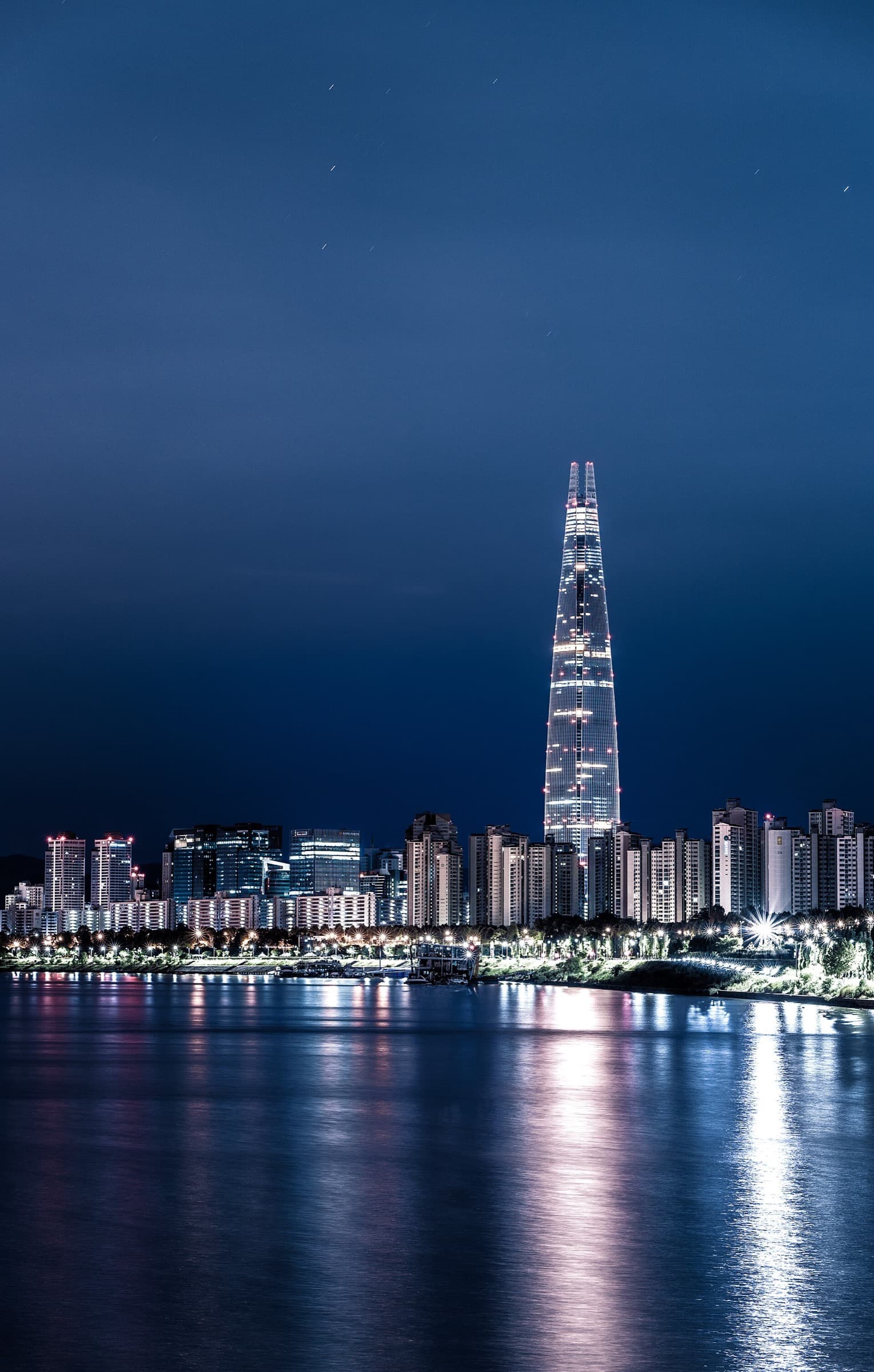
The city is still fast, still stylish, and finally interesting again beneath the export narrative.
Beyond the trend export
Korean culture abroad gave travelers a vocabulary before they arrived. That helps and hurts. The city is more than cafés that look good on camera.
You already know about skincare routines, K-pop aesthetics, and the cafe interior as social stage. Seoul invented much of that global vocabulary, and also lives beyond it. The city has pojangmacha nights, jjimjilbang recovery culture, markets that smell like soybean paste and fried pancakes, and neighborhoods where design is utilitarian, not Instagrammable.
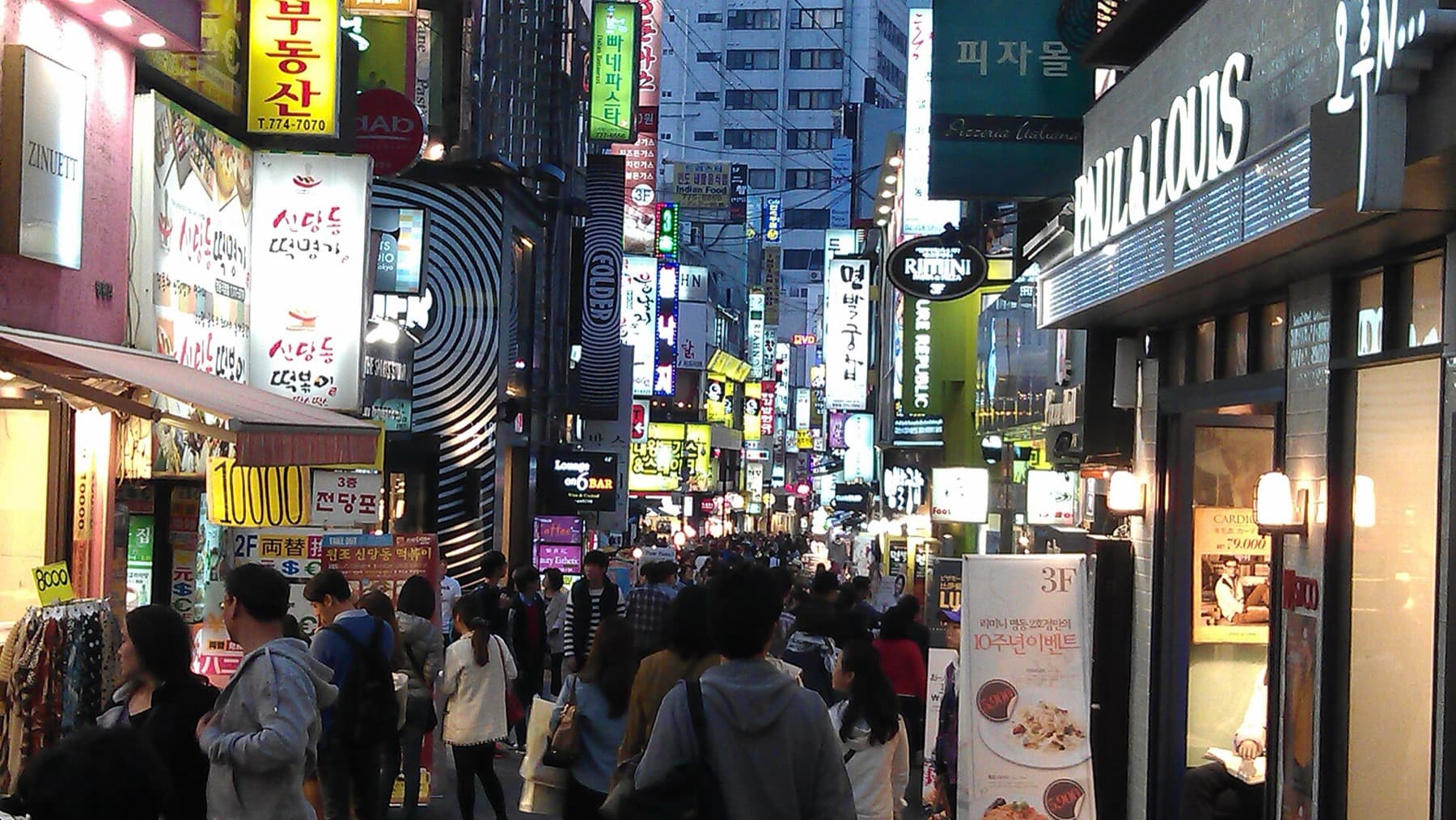
The hype cycle flattened Seoul into a trend feed. The better trip digs into texture: how fast people actually walk, how direct service can feel after American soft scripts, how the city compresses luxury and street food into the same ten-minute walk.
For Korean American travelers, the export version can feel like a funhouse mirror of family culture, amplified, stylized, sometimes unrecognizable. Let both versions exist. Seoul does not need you to declare which is "real."
Where to actually stay
Jongno for tradition without costume, Seongsu for design, Mapo for food. Gangnam if you want efficiency and late-night skincare retail.
Jongno puts you near palaces, Bukchon mornings, and a slower pedestrian rhythm, good for travelers who want history without costume tourism. Seongsu is the design-and-coffee district that still feels like a neighborhood waking up, not a finished product. Mapo is underrated for food density and Han River walks without the tourist volume of central Myeongdong.
Gangnam is efficient, expensive, and useful if your trip includes beauty retail, corporate meetings, or late trains. Hongdae and Itaewon still work for first-night energy and international food; just know they are louder than they are representative.
Pick one base and stay there. Seoul's subway is excellent, but constant hotel switching wastes the mental energy you need for food and walking.
Seoul is best when you stop trying to prove you kept up.
The meal rhythm
Korean BBQ is not dinner every night. Balance with kalguksu, jjigae, and the kind of bakery case that makes you rethink breakfast.
Seoul eats in waves. Late breakfast or bakery coffee, a substantial lunch, snacks from a market, then a long dinner that may start after 8 p.m. Korean BBQ is social theater, wonderful, but heavy if repeated nightly. Rotate with knife-cut noodle soups, stews, street tteokbokki, and the convenience-store gimbap that locals actually eat.
Markets like Gwangjang are not photo backgrounds. Go hungry, point at what someone else ordered, sit on a stool. Return to the same stall twice if it hit right. Seoul rewards repetition more than coverage.
Alcohol is part of many meals but not mandatory. Soju culture is real; so is the excellent non-drinking food trip.
Diaspora angle
Korean American travelers often arrive with family expectations layered on top of tourism. Give the city its own trip, not a reconciliation tour.
Parents may want temples, hometown regions, or family restaurants that mean something you do not fully share. That is valid, and separate from your Seoul trip. If you are here for the city as it lives now, protect time for neighborhoods, meals, and walks that are not legible to relatives back home.
Generational gaps show up fast: language comfort, beauty standards, politics hinted at over dinner. You do not have to resolve them in seven days. Notice them. Seoul is a place your family may remember differently than you experience it. Both can be true.
Build an itinerary that includes one emotionally honest conversation and one day with zero heritage pressure. The city can hold both.
Repeat visitor move
Pick one market, one jjimjilbang, one bar in Itaewon, and one long walk with no destination.
Repeat visitors should shrink the map. You have seen the palaces. You do not need every skincare flagship. Choose one market and learn its rhythm, who eats what at which hour. Choose one jjimjilbang and stay long enough to understand the recovery logic, not just the photo.
Itaewon still works for international energy and late food. A long walk along the Han, or through a neighborhood you only passed through last time, costs nothing and teaches more than another flagship store.
Seoul is best when you stop trying to prove you kept up. The city moves fast. You do not have to match it. You have to find your version inside it.
Related destinations
Related stories
Where to Go When You Want Big-City Energy Without the Obvious Choices
Urban energy without the default skyline tour.
3 min · May 22, 2026
The First Heritage Trip Should Not Be a Performance
Heritage travel fails when it becomes a stage for emotion you have not earned yet.
3 min · May 15, 2026
What If Your Parents' Homeland Does Not Feel Like Yours?
Disappointment is data, not betrayal.
3 min · Jan 28, 2026
The Return Trip After Assimilation
The second trip is for the person you actually are.
3 min · Jul 20, 2025