

Seoul
Beauty, nightlife, fashion
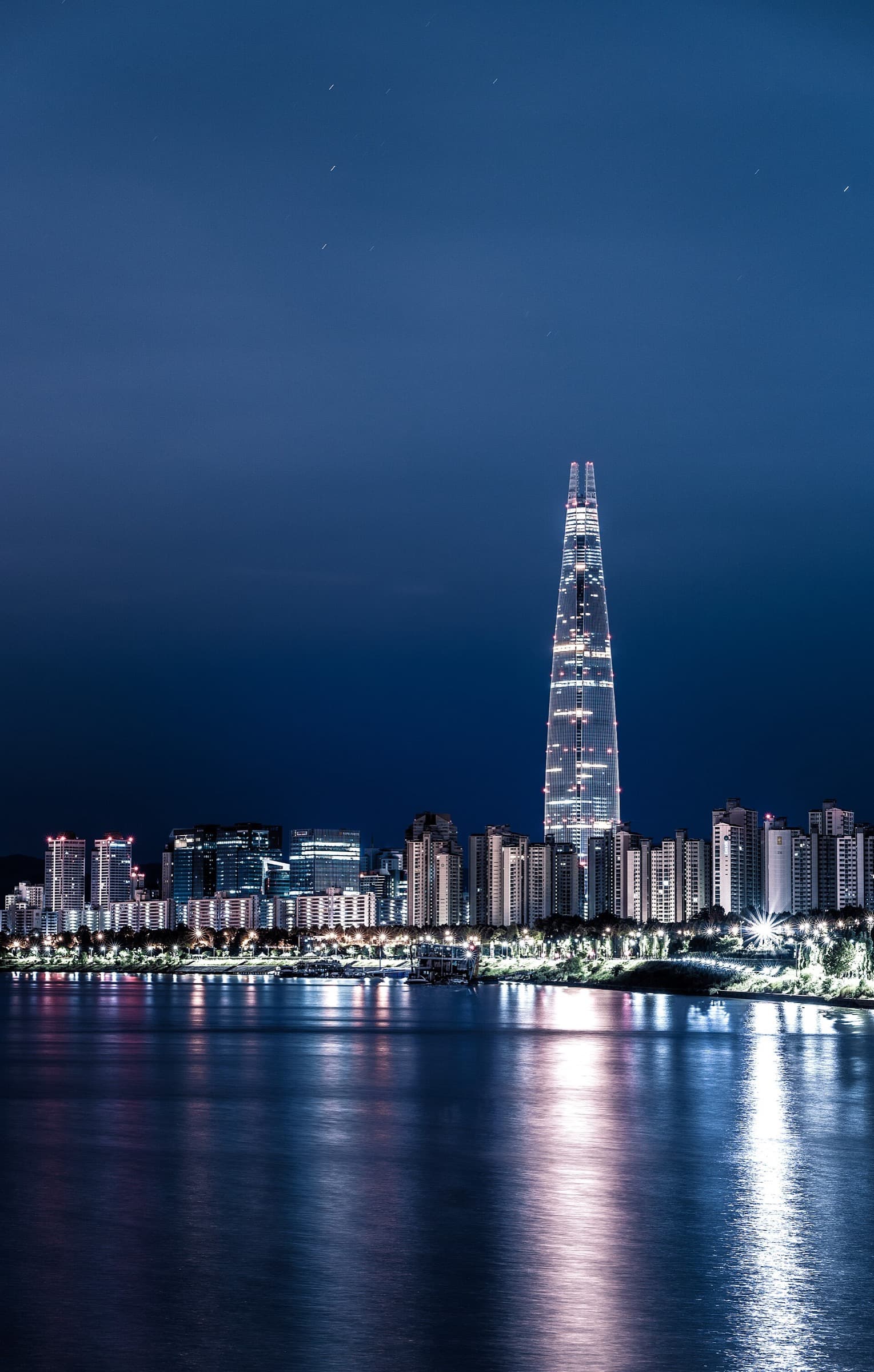
Seoul moves faster than your camera roll. The city Korean culture exported globally is real, but it is not the whole city.
The better trip mixes beauty retail, pojangmacha nights, hanok mornings, and enough humility to admit you cannot keep up.
For Korean American travelers, the generational gap can feel vivid: the city parents left versus the city that now exports culture on its own terms. Give Seoul its own itinerary, not a reconciliation tour squeezed between family obligations and cafe queues.
Seoul rewards travelers who eat seriously, walk long neighborhoods, and accept that you will never see the \"real\" city in one trip, only a version honest enough to return for.
Why go now
Seoul's creative districts are evolving rapidly, with new hospitality concepts blending traditional Korean aesthetics and global design sensibilities.
Who this trip is for
Travelers who want energy, style, and late nights. Ideal for solo travelers and friend groups.
First-timer move
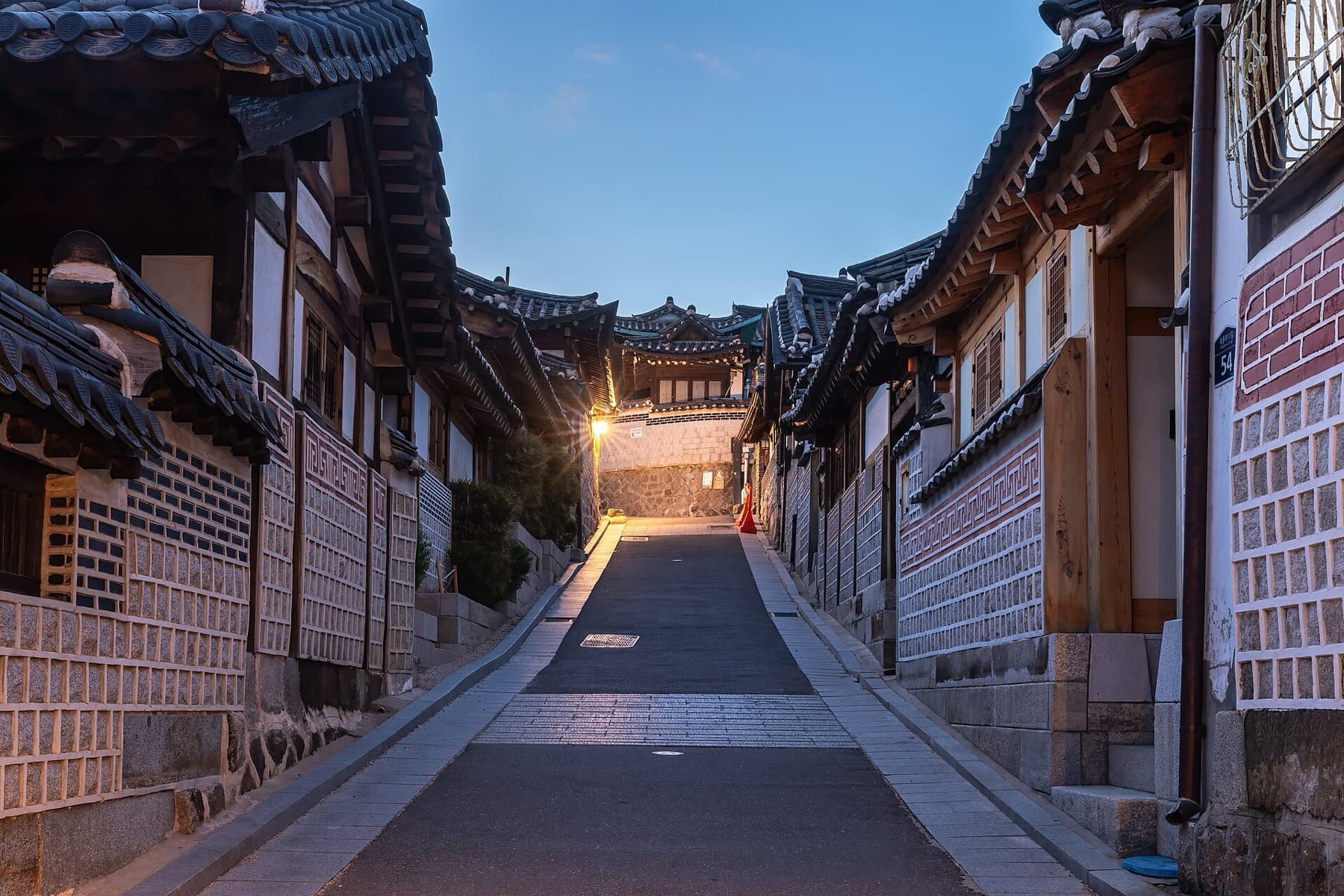
Spend your first evening in Hongdae or Itaewon, then reset with a morning in Bukchon Hanok Village before the crowds arrive.
Repeat visitor angle
Return for Seongsu design pockets, Mapo food alleys, and jjimjilbang recovery days. Skip the checklist palaces unless you missed them the first time.
Second trips are for market rhythm, skincare errands you actually need, and bars in Itaewon or Hongdae without pretending it is the whole city. Pick one district and learn its meal times.
Where to stay
Jongno for tradition without costume. Hongdae or Itaewon for first-night energy.
Mapo for food. Gangnam if you want efficiency and late-night skincare retail.
Subway proximity matters in heat and cold. Seoul's weather is extreme; plan indoor recovery, cafes, spas, jjimjilbang, as seriously as sights.
Avoid hotel hopping. The city is connected, but mental energy is finite.
What to eat
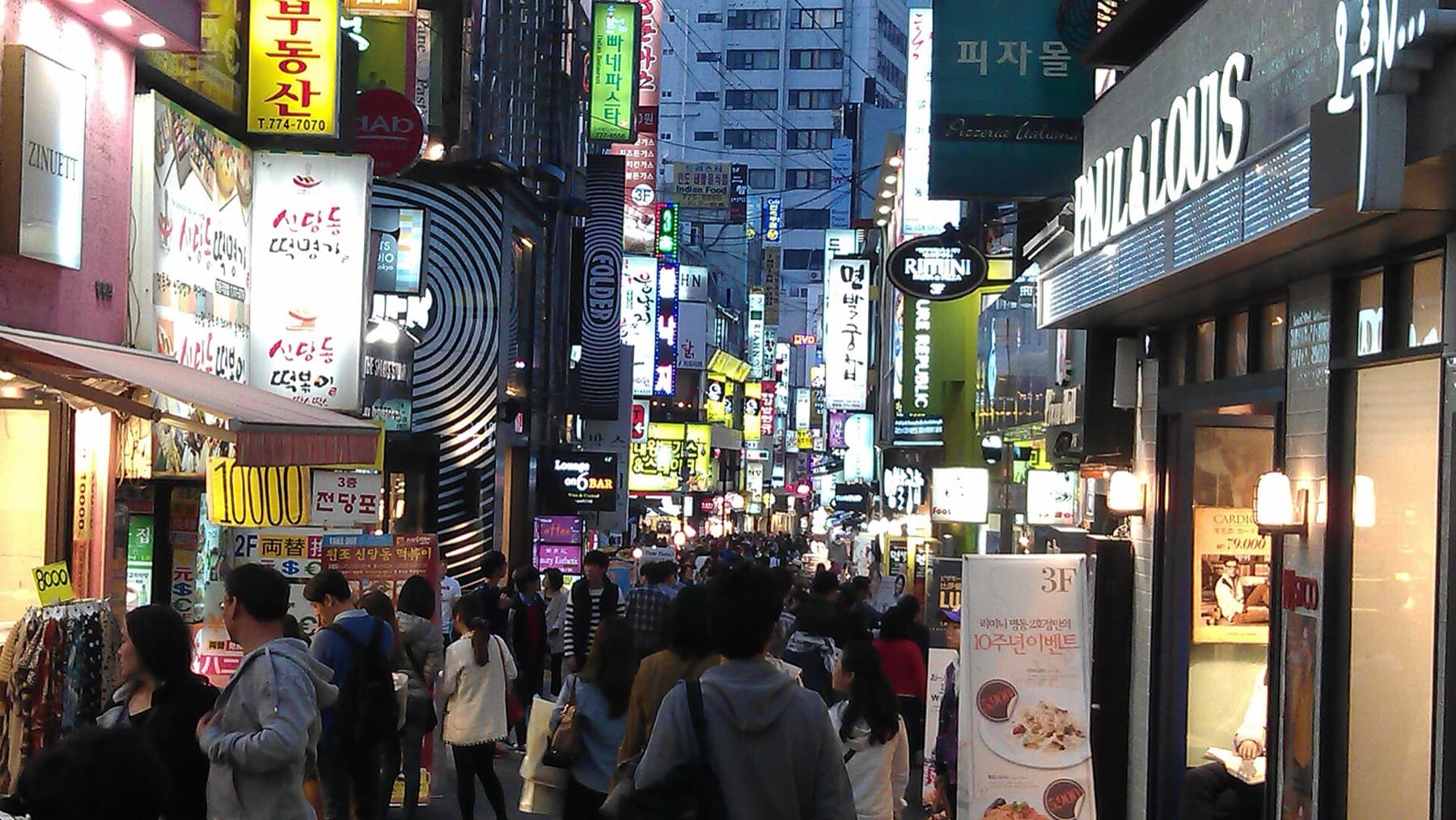
Korean BBQ in Mapo, street food in Myeongdong, and at least one late-night pojangmacha (tented street stall) experience.
Cultural fluency notes
Age and respect language still shape service. Tipping is not expected.
Heat and cold are both extreme, dress in layers year-round.
Restaurant service can feel direct after American soft scripts. That is often efficiency, not rudeness.
Learn a few honorific basics if you will interact with older relatives or traditional settings.
Beauty retail is legitimate tourism if you need it. It is not the whole city.
What diaspora travelers may notice
Korean American travelers often feel the generational gap vividly: the city parents left versus the city that now exports culture. Give Seoul its own trip, not a reconciliation tour.
Language comfort varies widely. Food nostalgia may not match contemporary Seoul flavors.
Notice without forcing resolution in a week.
Worth the splurge
A jjimjilbang (Korean spa) day with premium skincare treatments, or a table at a modern Korean fine-dining restaurant redefining hanjeongsik.
What not to do
Do not reduce Seoul to cafés that photograph well. Do not skip convenience store gimbap.
Do not club every night if you want to taste anything.
Do not treat skincare shopping as a personality. Do not assume export pop culture is a map.
Best paired with
Pair with Tokyo for precision contrast, Taipei for ease, or Jeju if you add domestic time. Seoul also works as a Northeast Asia hub paired with Busan for seafood and slower pace.
Best time to go
April–June and September–November for comfortable weather and festivals.
Airport notes
Incheon (ICN) is world-class with AREX train to Seoul Station in under an hour. Gimpo (GMP) is closer for domestic connections.
A 3-day editorial itinerary
Day 1
Itaewon or Hongdae evening, late noodles, skincare pharmacy errand if needed, early sleep after transit.
Day 2
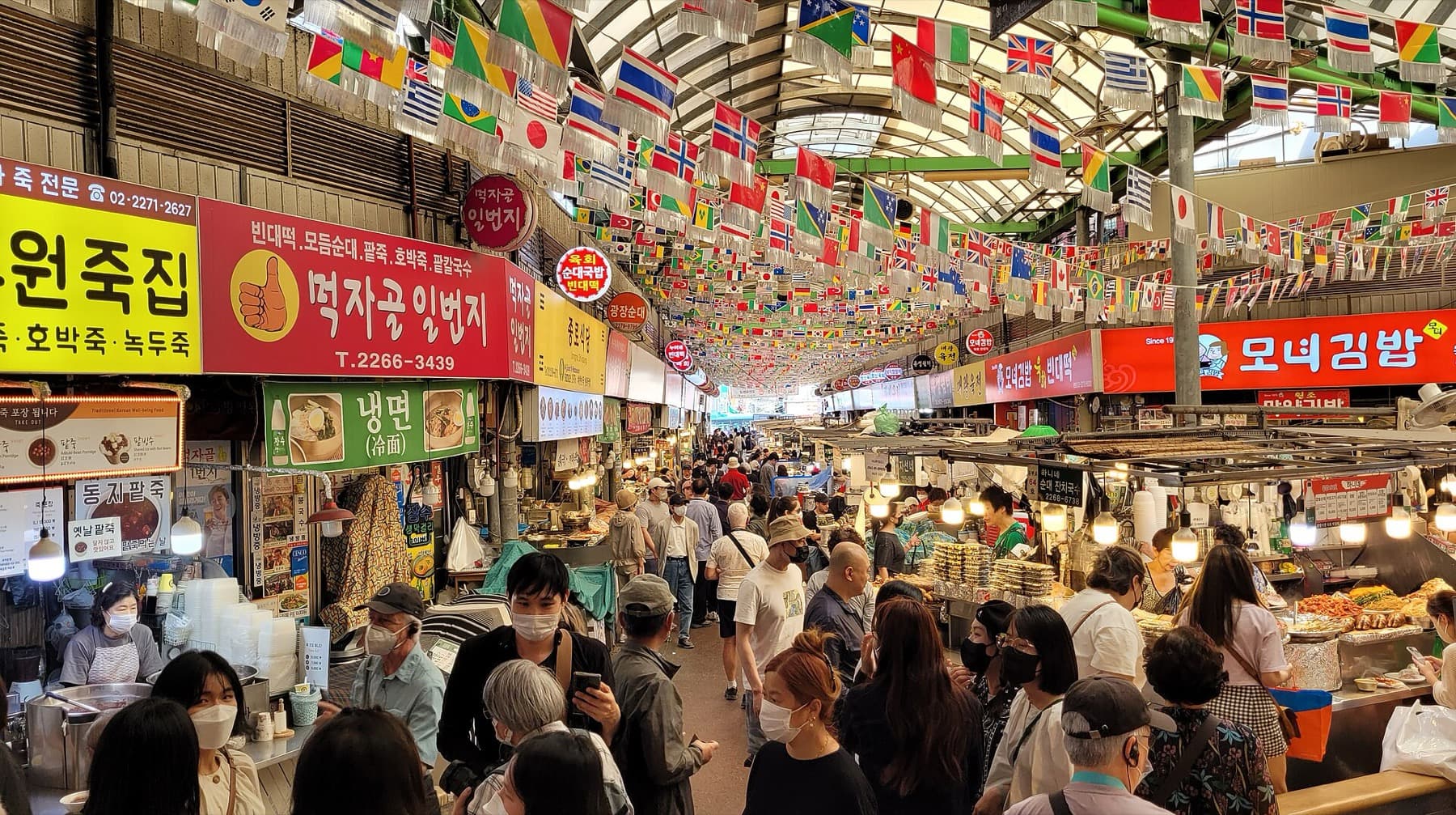
Bukchon early before crowds, Gwangjang Market lunch sitting down, jjimjilbang or spa afternoon, quiet dinner in Mapo.
Day 3
Seongsu walk for design and coffee, Korean BBQ or kalguksu dinner, noraebang only if your group actually wants it.
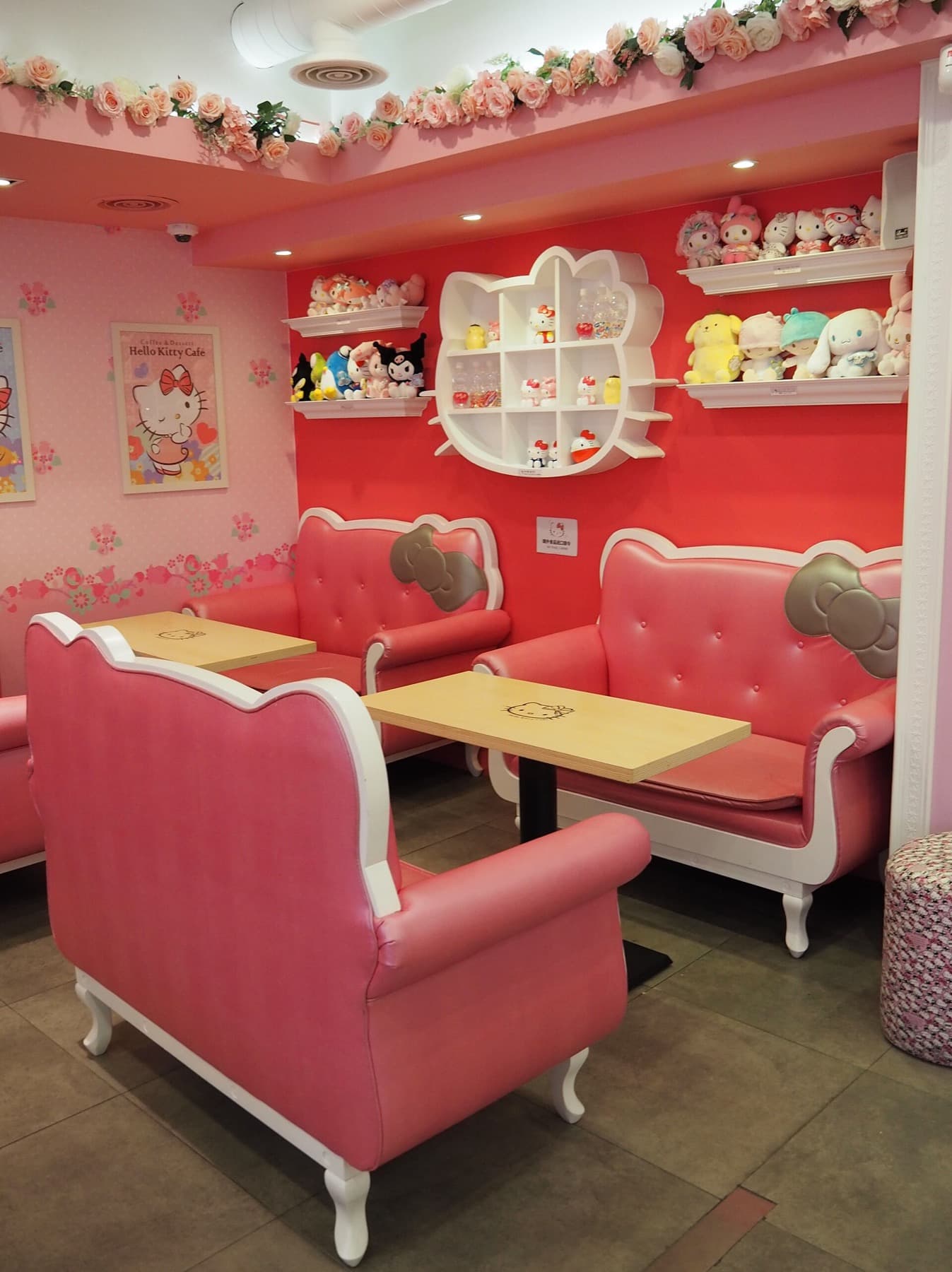
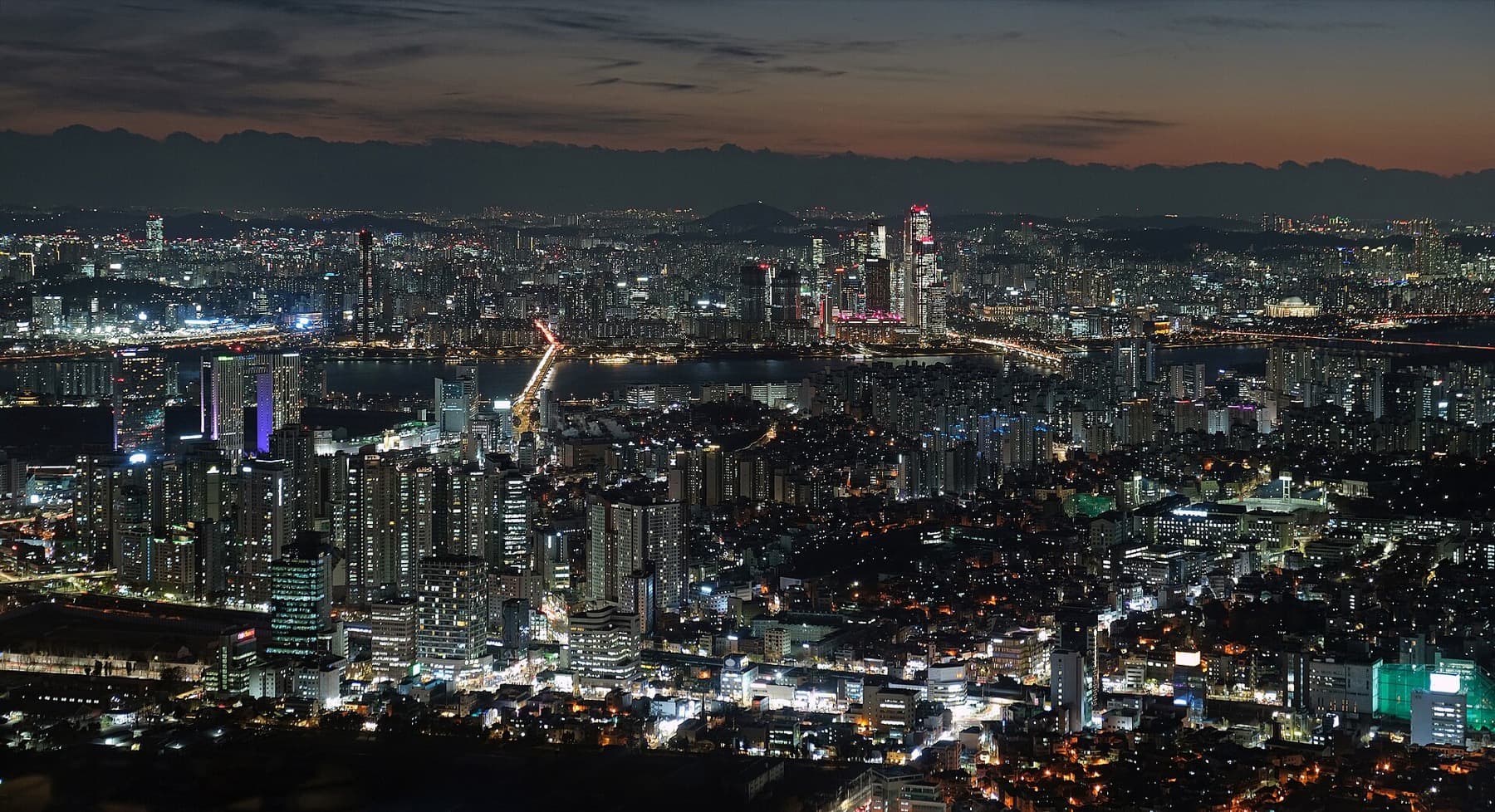
What this place feels like
Related stories
Related destinations
Tokyo
East Asia · Japan
Tokyo travel guide for diaspora and first-time Asia visitors: neighborhoods, food, transit, and how to pace a trip without checklist tourism.
View guide →
Taipei
East Asia · Taiwan
Taipei travel guide for first-time Asia visitors and diaspora travelers: night markets, MRT, breakfast culture, and the softest landing in the region.
View guide →
Bangkok
Southeast Asia · Thailand
Street food temples, golden spires, and a city that rewards both chaos-embracers and luxury seekers.
View guide →