

Tokyo
Design, dining, precision — and the humility to miss a few sights on purpose
Tokyo is easiest when you stop trying to conquer it. The better trip is usually three neighborhoods, two reservations, one department-store basement, and enough unscheduled time to realize the city's best moments rarely announce themselves.
For diaspora travelers, Tokyo reframes what Asian modernity can look like: not nostalgic, not derivative, but relentlessly forward. You may arrive fluent in ramen and anime references and still feel behind on kissaten culture, seasonal confectionery, or the unspoken rules of a standing bar under the tracks. Japanese American and broader Asian American travelers often feel overqualified on exported food culture and underqualified on daily rhythm. That gap is useful. It keeps the trip from becoming heritage cosplay.
Tokyo is not the softest first trip to Asia. Taipei and Singapore forgive faster. Tokyo demands that you tolerate being slightly behind for forty-eight hours without turning the week into a performance of competence. If you choose Tokyo first, choose it because you want precision, food depth, and a city that teaches through repetition—not because it sounds like the serious option on a forum thread.
This guide is the hub for our Tokyo cluster: flagship longform, first-trip frameworks, and briefings on design hotels and transpacific routing. Start here, then read the linked guides below before you book.
Why go now
Tokyo continues to set the global standard for hospitality craft, from third-wave kissaten to neighborhood sushi counters focused on seasonality. For diaspora travelers, it remains the city that reframes what Asian modernity looks like when it is not performing for tourists.
Who this trip is for
Travelers who appreciate craft, order, and culinary ambition. Not ideal if you need spontaneity without planning.
First-timer move
Book one high-concept dinner reservation and one completely spontaneous neighborhood walk. Let the contrast teach you the city.
Repeat visitor angle
Second and third trips should shrink the map. Pick one ward and learn its coffee, its kissaten, its last-call izakaya.
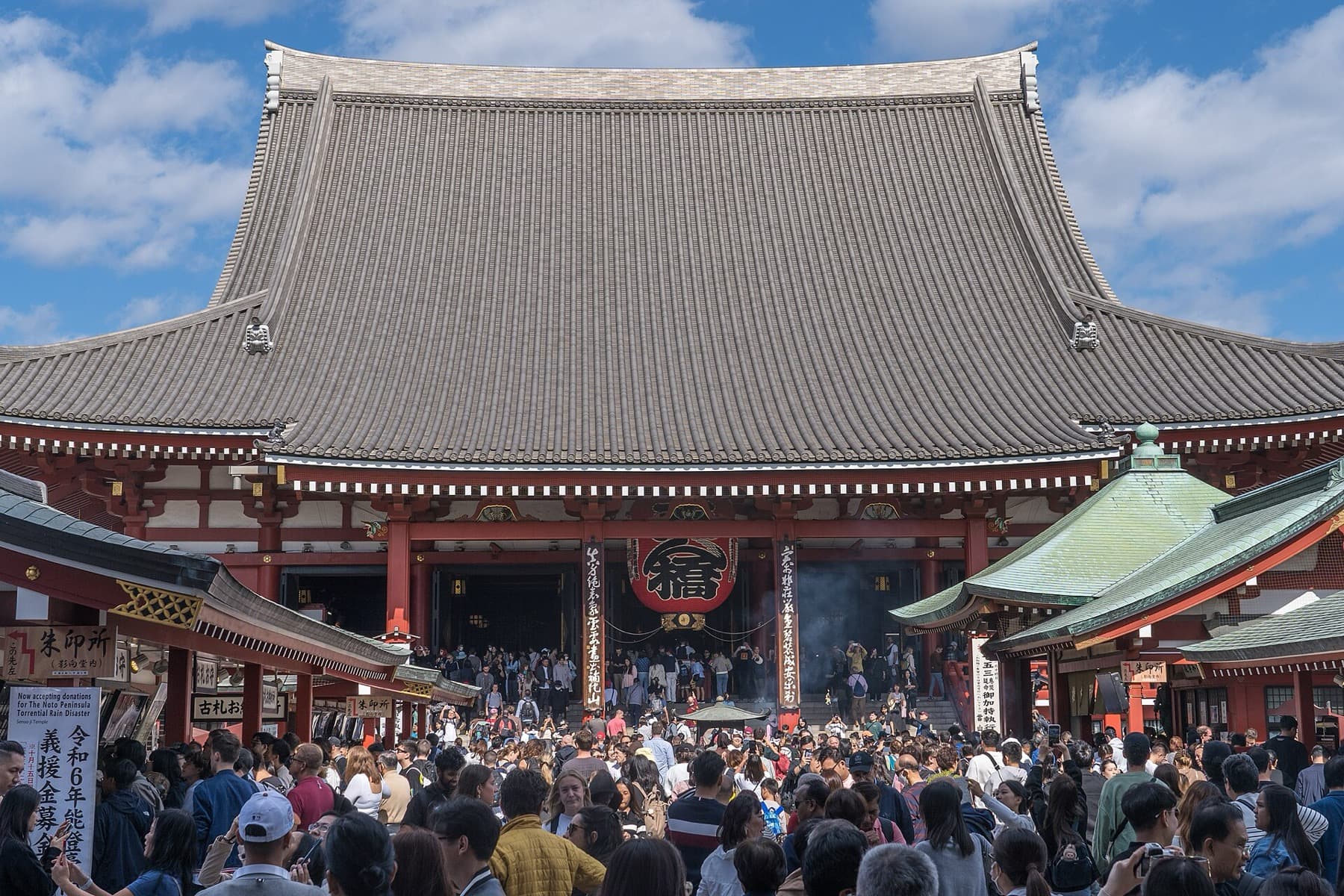
Repeat visitors stop chasing the new opening and start chasing seasonality: the strawberry sando window, the river walk in a different month, the counter where the chef remembers your face. If you covered Shibuya and Asakusa the first time, return for Shimokitazawa vintage, Kiyosumi gallery mornings, Yanaka's older-city fabric, or a slower rhythm in neighborhoods your first itinerary skipped entirely.
The city is not a collection of viral locations. It is a set of daily systems you learn by repetition. Return travelers should also revisit one depachika at a different hour, one kissaten with no phone policy, and one standing bar under the tracks without treating any of it as content.
Third trips are when Tokyo stops feeling like a test and starts feeling like a relationship. You know which ward matches your jet lag, which konbini breakfast works, and which reservation is worth fighting for this season versus skipping.
Where to stay
Stay in Shinjuku or Shibuya for transit and late food. Choose Shimokitazawa or Nakameguro if you want a softer residential rhythm.
Ginza when parents visit. Avoid switching hotels mid-trip unless the commute teaches you something.
Shinjuku is practical, loud, and full of last-resort excellent food. Shibuya skews younger and trend-forward. Nakameguro and Daikanyama trade efficiency for pleasant walks along the canal. Kiyosumi-Shirakawa suits travelers who want galleries and kissaten without nightlife pressure.
For families, proximity to a major JR or Metro hub matters more than a boutique address. Book hotels for walkability to one neighborhood you love, not for a view you will see once through glass. Luxury travelers should prioritize sleep and shower quality over lobby spectacle—Tokyo rewards rest because you will walk more than you expect.
If you are on a first trip, pick one hub and stay the whole week. Hotel hopping in Tokyo is rarely educational; it is usually luggage tax.
What to eat
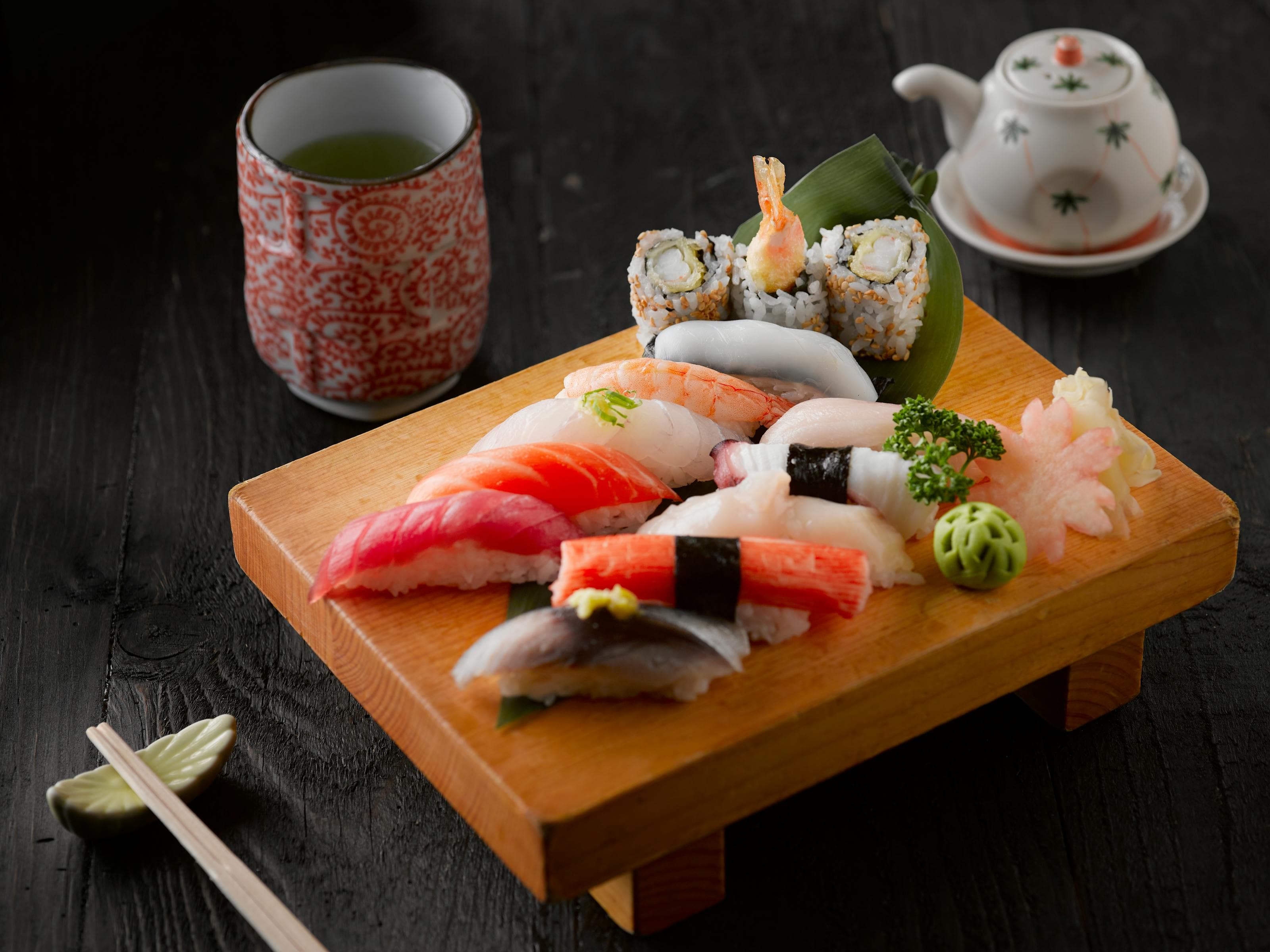
Start with depachika (department store food halls), then graduate to izakaya alleys in Ebisu or Nakameguro. Save the splurge counter for night three.
Cultural fluency notes
Cash still matters in smaller shops and some legacy restaurants. Quiet is a form of respect on transit.
Reservations are not optional at serious counters. Convenience store food is not a compromise, it is a category worth studying. Learn escalator side, trash habits, and how to read a restaurant's closed days. Point-and-nod ordering works widely if you are polite and patient.
English exists in tourist zones; it thins quickly in the places worth finding. Google Maps works well for transit; it will not teach you restaurant manners. Learn three phrases and use them. Tokyo responds to effort, not fluency.
Seasonality shapes menus more than marketing cycles. Ask what is good now, not what you saw online six months ago. Cherry blossom and autumn foliage windows sell out early for hotels and some reservations—plan dates before you plan restaurants.
Tipping is not expected. Loud phone calls on trains are rude. Photography rules vary by shop and shrine—look for signs before you assume.
What diaspora travelers may notice
Japanese American and broader Asian American travelers often arrive overqualified on ramen and underqualified on everything else. That gap is useful.
You may feel visible or invisible depending on language and context. Neither is a verdict on belonging. Tokyo is not waiting to validate your identity. It is busy being itself.
Family narratives about Japan can load the trip with expectations: language you should speak, foods you should recognize, relatives you should honor. Build space for the city to be unrelated to those scripts for at least part of the week.
Use the trip to update your mental map gently. What did your family story get right? What did media flatten? What do you want to carry home that is not merchandise? A successful diaspora Tokyo trip can include ambivalence without failure.
Worth the splurge
A ryokan night in a quieter ward, or a omakase counter where the chef's precision becomes the trip's defining memory.
What not to do
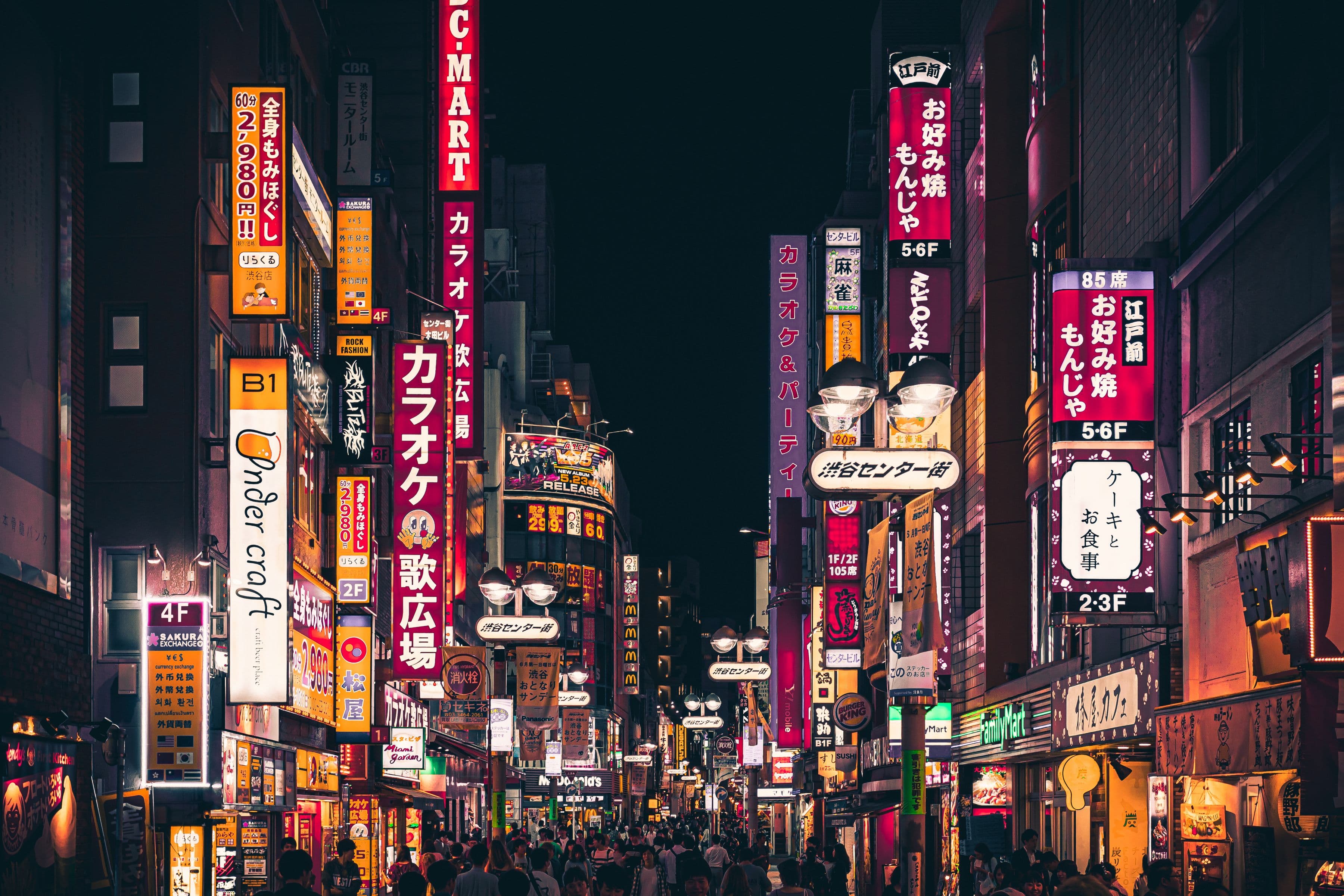
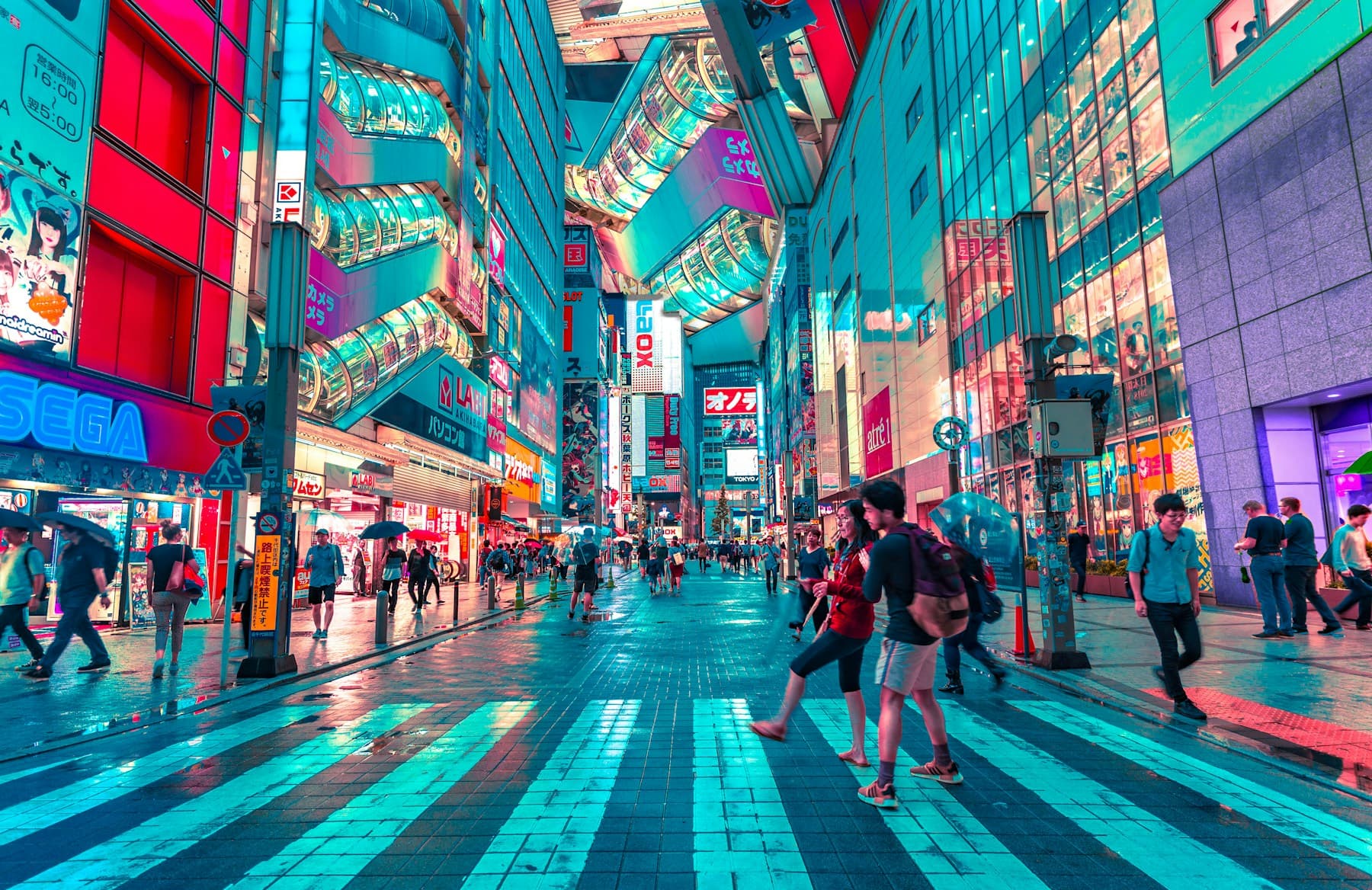
Do not attempt day trips to every adjacent prefecture on a first visit. Do not treat Shibuya crossing as understanding Tokyo.
Do not eat only at places with English menus. Do not confuse efficiency with coldness. Do not schedule twelve hours of sights and call it culture.
Do not buy everything in the first depachika you enter—save appetite for the neighborhood you will walk through tonight. Do not assume Tokyo is a good first Asia trip for every traveler; match the city to your nervous system.
Do not treat Kyoto as a mandatory same-trip add-on unless you have at least five full days in Tokyo first. Two cities in one week often means neither city gets a fair chance.
Best paired with
Pair with Kyoto for contrast after you have a Tokyo rhythm, Seoul for energy, or Hokkaido for food and weather reset. Taipei works as a softer first Asia trip before Tokyo, not as a same-weekend add-on.
Tokyo works as a first Asia anchor for patient travelers or a return-trip deep dive, rarely as a two-day stopover you expect to understand. Domestic rail makes short extensions easy once the city itself has given you a pace.
For diaspora routing from North America, compare Haneda arrival times and total door-to-door hours—not only headline fare—when choosing between Tokyo-first and Taipei-first itineraries.
Best time to go
March–May for cherry blossoms; October–November for crisp air and fall foliage.
Airport notes
Haneda (HND) is closer and easier for city access. Narita (NRT) works with the Narita Express. Both have excellent transit connections.
A 5-day editorial itinerary
Day 1
Arrive Haneda if possible. Clear customs, buy Suica or Pasmo, drop bags, konbini dinner, and a neighborhood walk without a destination. Sleep early. Jet lag plus neon is a bad combination on night one.
Day 2
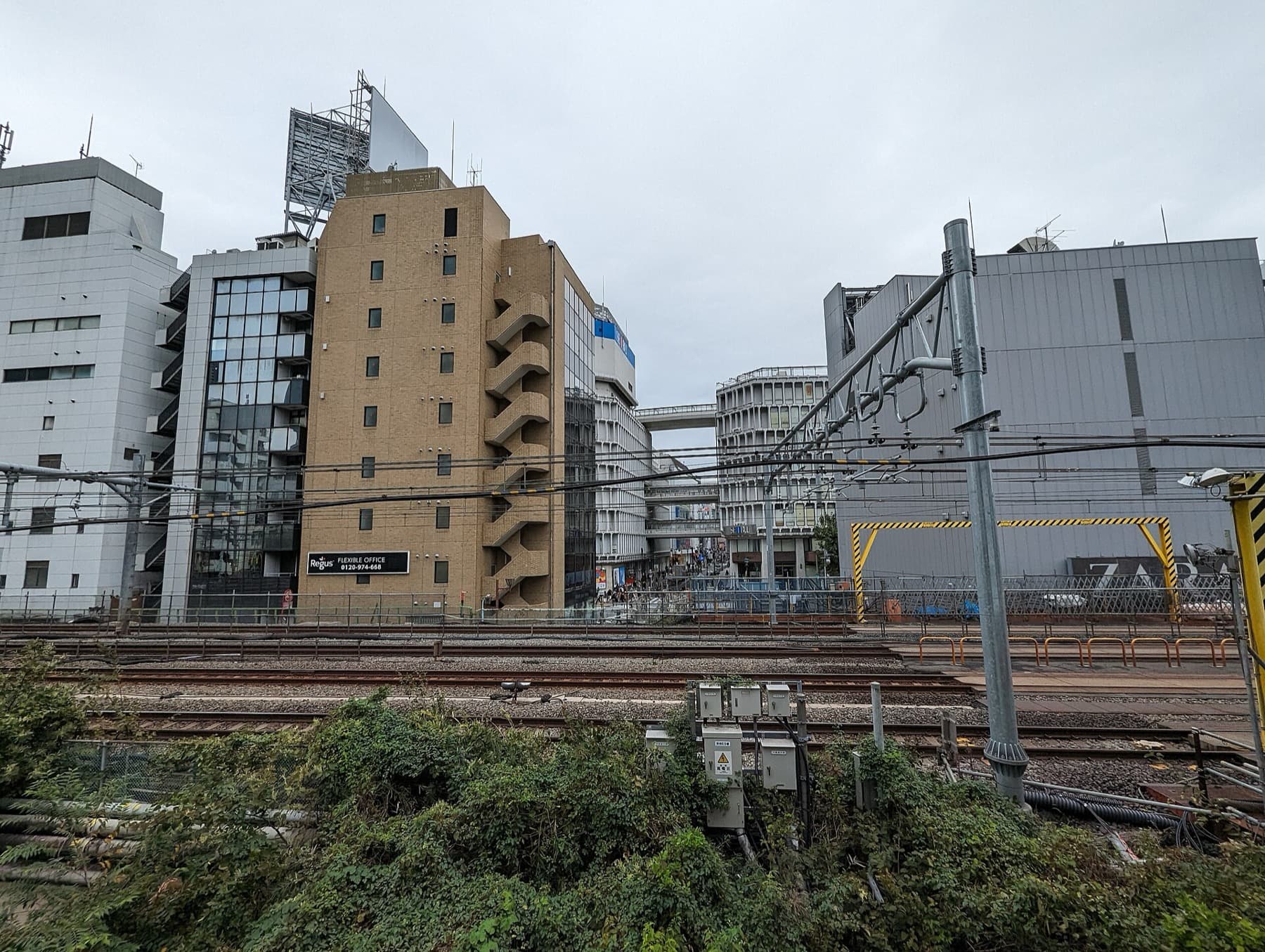
Depachika breakfast in Shinjuku or Shibuya. Ueno or Yanaka for older-city texture. Coffee in a kissaten. Casual noodle lunch. No reservation tonight unless you are rested—standing bar or izakaya alley under the tracks.
Day 3
Repeat your favorite morning bakery or depachika. One museum or gallery with a time limit—not a marathon. Book your serious dinner reservation tonight if you earned one: omakase, yakitori counter, or chef's tasting menu.
Day 4
Shimokitazawa vintage and coffee, or Kiyosumi-Shirakawa galleries and slow walks. Afternoon rest at the hotel. Evening: repeat a neighborhood that worked instead of chasing a new ward.
Day 5
TeamLab or a specific exhibition only if you care—not because it is famous. Otherwise: one last depachika run, one gift that is edible, one final walk at a different hour than your first day. Depart knowing which ward you would return to without an audience.
What this place feels like
Essential reading for Tokyo
City Breaks
Tokyo Is Not a Beginner City, and That Is the Point
First Trips
Your First Trip to Asia: A Culturally Fluent Starter Guide
Hotels & Design
Where to Stay in Tokyo: A Neighborhood Hotel Guide
Heritage Travel
The Diaspora Guide to Not Overplanning
Fine Dining
The Case for Planning a Trip Around One Reservation
Fine Dining
How Asian Travelers Read a Tasting Menu Differently
Family Travel
Planning Multigenerational Asia Trips That Actually Work
From the editorial watchlist
Related destinations
Seoul
East Asia · South Korea
Beauty, nightlife, and fashion-forward energy in a city that moves faster than you expect.
View guide →
Kyoto
East Asia · Japan
Temples, tea, and timeless craft in Japan's most contemplative city.
View guide →
Osaka
East Asia · Japan
Japan's kitchen, irreverent, delicious, and unpretentious in all the right ways.
View guide →