

Kyoto
Heritage, craft, contemplation
Kyoto is contemplation with a food scene—temples at dawn, Nishiki Market at lunch, and the understanding that 'traditional Japan' is practice, not costume.
For Japanese American travelers, Kyoto often lands differently than Tokyo: less velocity, more craft continuity, more permission to move slowly.
The better trip covers one district deeply instead of six temples you will not remember.
Why go now
Kyoto is managing overtourism thoughtfully, with new initiatives directing visitors to lesser-known temples and neighborhoods.
Who this trip is for
Travelers who value atmosphere, craft, and patience. Not for those who need nightlife or speed.
First-timer move
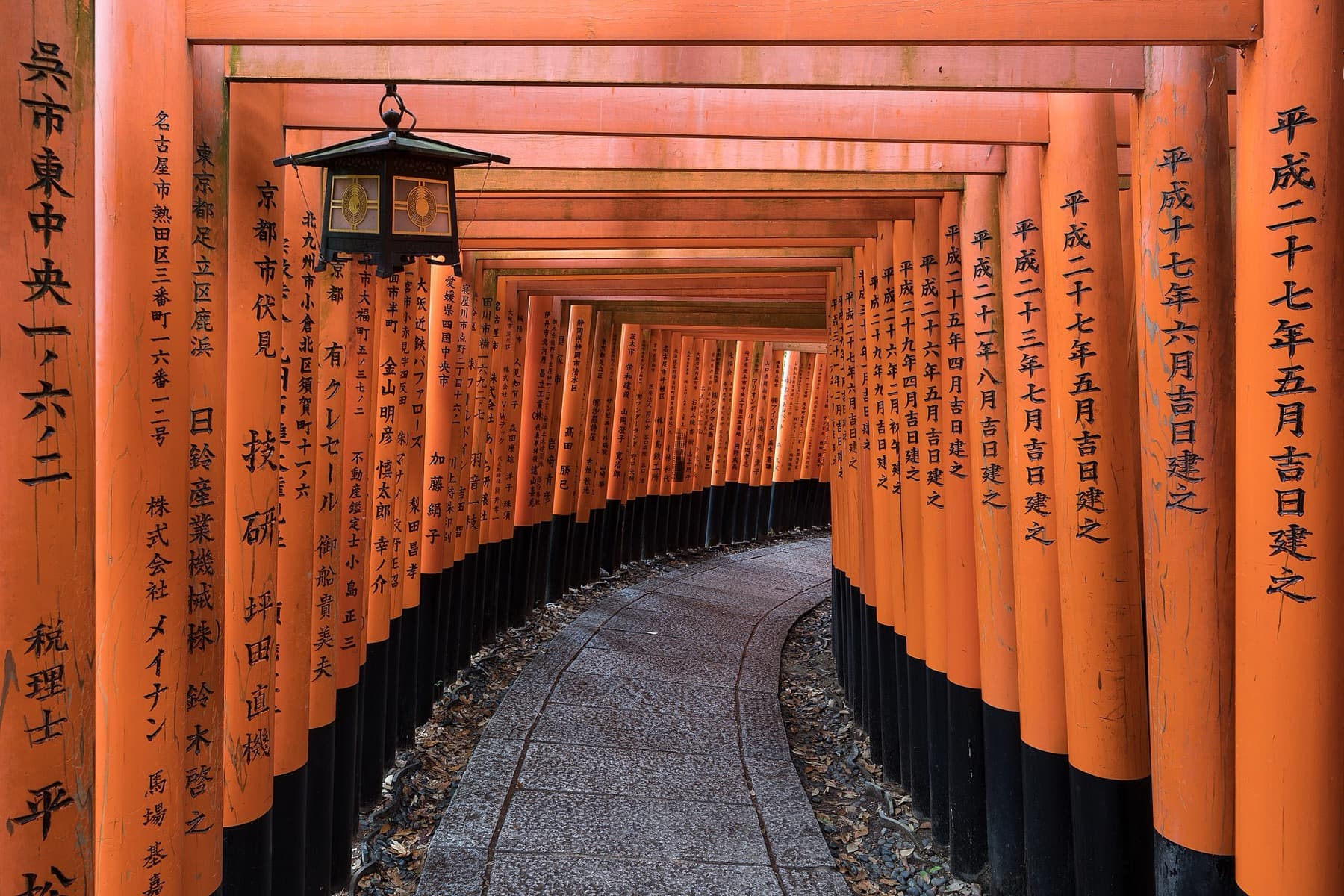
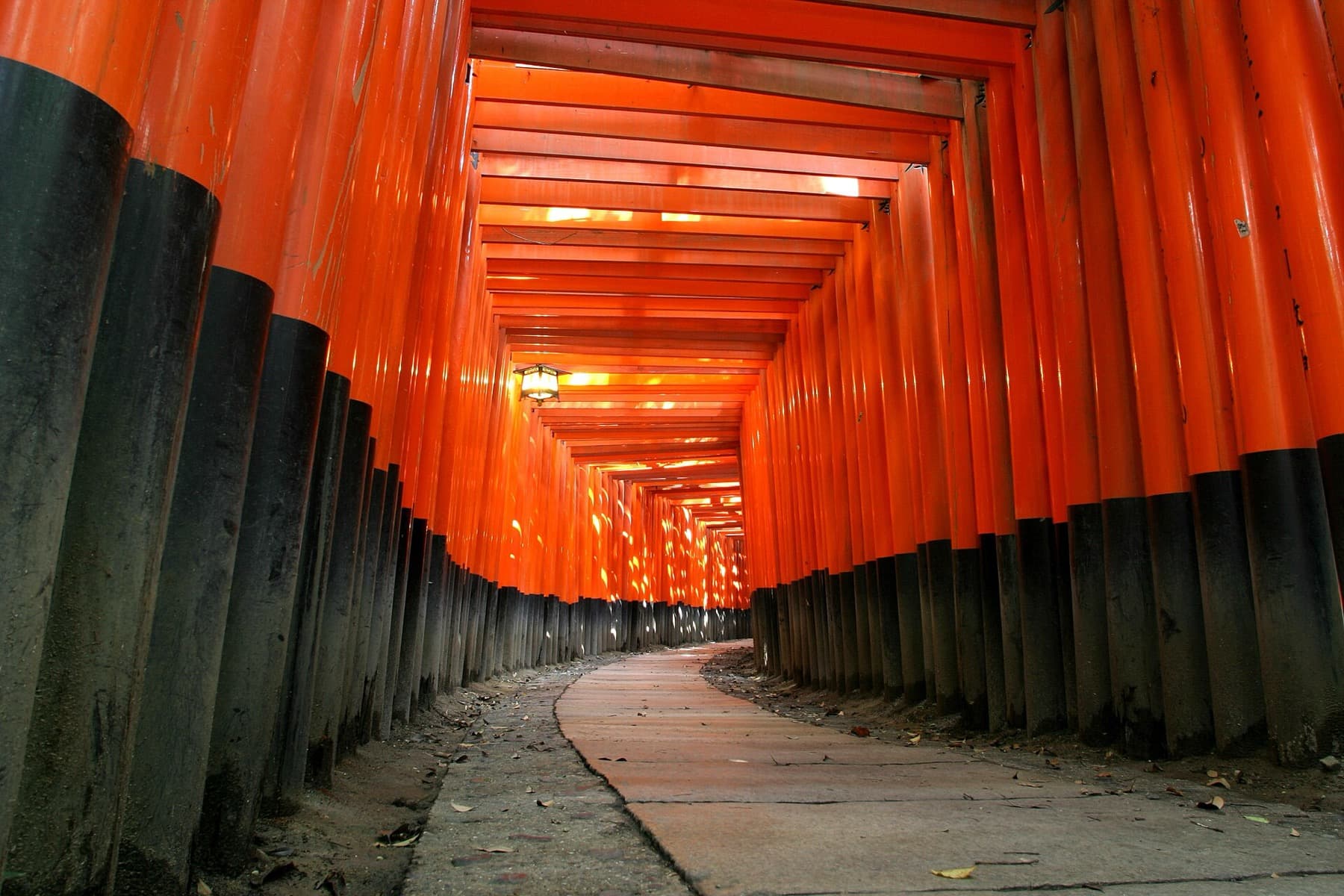
Visit Fushimi Inari at dawn, then spend the afternoon in a single district (Gion or Arashiyama) without rushing.
Repeat visitor angle
Return for a single season: cherry overload, autumn maples, or winter quiet. Skip Fushimi Inari at midday unless you enjoy crowds as sport.
Second trips are for machiya stays, kaiseki you booked early, and neighborhoods the first itinerary treated as background.
Where to stay
Gion or Downtown for walkable food and transit. Arashiyama deserves a full day, not a drive-by.
Stay near a bus or subway hub if traveling with parents—Kyoto rewards patience, not heroic walking.
What to eat
Kaiseki for the experience, Nishiki Market for grazing, and matcha everything. Kyoto cuisine is subtle, pay attention.
Cultural fluency notes
Temple etiquette matters: quiet, no flash where prohibited, early hours beat tour buses.
Reservations for serious kaiseki are not optional. Matcha is a category, not a prop.
What diaspora travelers may notice
Heritage travelers sometimes expect emotional resolution from Kyoto's beauty. The city offers craft and atmosphere more often than narrative closure.
Notice what feels familiar from family stories versus what feels newly specific.
Worth the splurge
A kaiseki dinner, a night in a machiya townhouse, or a private tea ceremony with a knowledgeable host.
What not to do
Do not treat geisha spotting as a sport. Do not rush Arashiyama and Gion in one tired afternoon.
Do not wear rental kimono without understanding temple and neighborhood norms.
Best paired with
Pair with Osaka for food contrast, Tokyo for modernity, or Seoul for Northeast Asia depth.
Best time to go
March–May and October–November. Avoid Golden Week (late April–early May).
Airport notes
Access via KIX (Osaka) or ITM, then shinkansen or train to Kyoto. The journey is part of the experience.
A 3-day editorial itinerary
Day 1
Fushimi Inari early, Nishiki Market grazing, quiet dinner near your hotel.
Day 2
One temple district properly, tea or craft stop, kaiseki or izakaya reservation.
Day 3
Arashiyama or repeat best neighborhood, shinkansen out with bags handled early.
What this place feels like
Related stories
Related destinations
Tokyo
East Asia · Japan
Tokyo travel guide for diaspora and first-time Asia visitors: neighborhoods, food, transit, and how to pace a trip without checklist tourism.
View guide →
Seoul
East Asia · South Korea
Beauty, nightlife, and fashion-forward energy in a city that moves faster than you expect.
View guide →
Osaka
East Asia · Japan
Japan's kitchen, irreverent, delicious, and unpretentious in all the right ways.
View guide →