
Heritage Travel
The First Heritage Trip Should Not Be a Performance
Ancestral places owe you nothing. That is liberating if you let it be.
The burden
First trips back carry family scripts: proof you remember, proof you care, proof you are not lost to assimilation. Separate your trip from their memory play before you land.
Heritage travel fails when it becomes a stage for emotion you have not earned yet. The homeland owes you nothing, not revelation, not closure, not a mirror that shows who you "really" are.
You may want transformation in seven days. The place may offer lunch, traffic, and relatives who disagree with your parents about everything. That is often the real trip.
Name what you are afraid of disappointing. Name what you want for yourself. Those lists overlap partially, not completely.
Permission to have a mediocre afternoon is permission to tell the truth later about what landed and what did not.
Practical first
Eat, walk, listen. Save the ancestral village for when you have context, language stamina, and emotional bandwidth: not for jet-lagged day one when every cousin has an opinion.
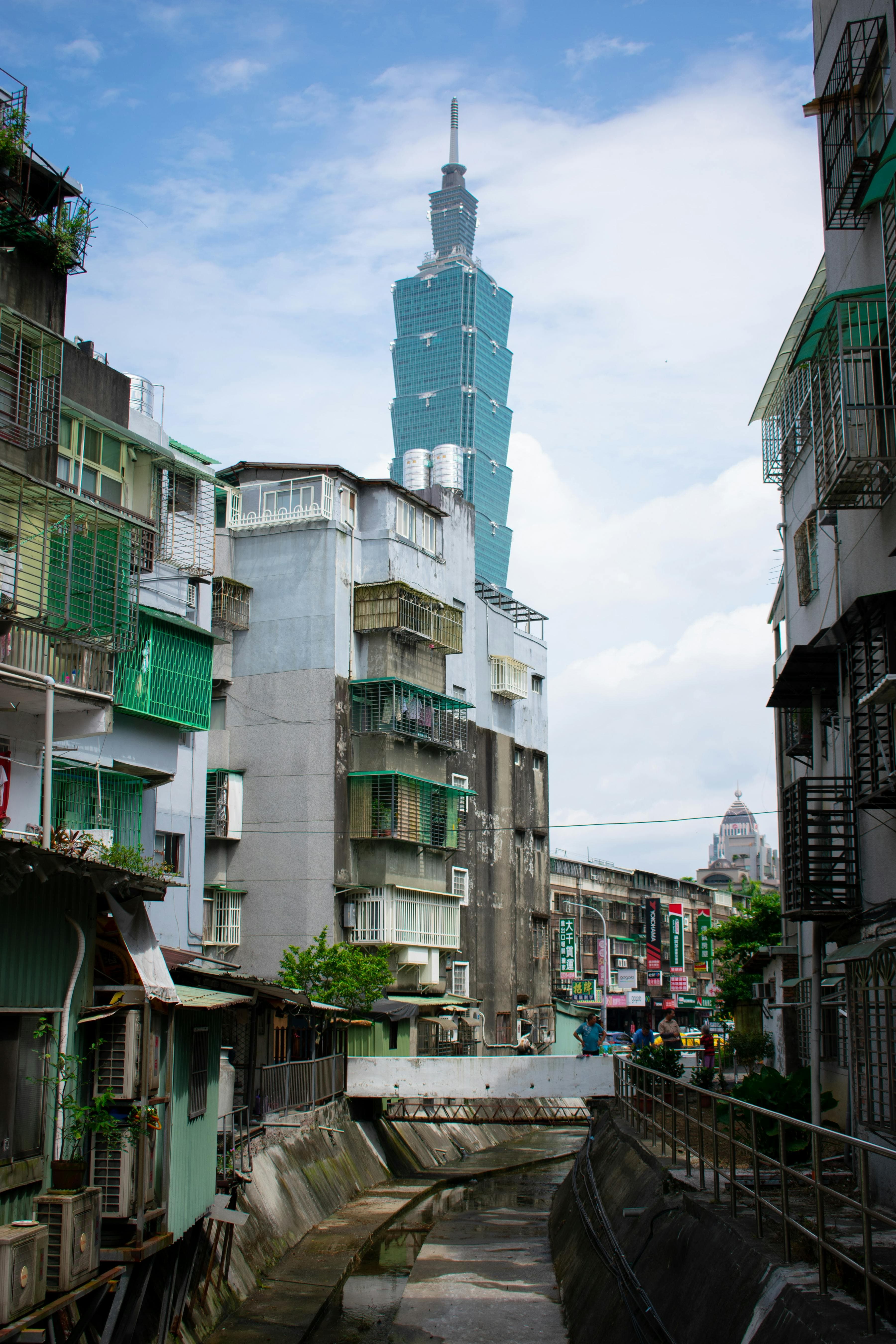
First heritage trips should bias practical: city rhythm in Taipei or Seoul, one relative visit that matters, a night market or breakfast shop that teaches pace without requiring revelation. Province tours and hometown monuments can wait until you know which family stories are true, which are edited, and which you are ready to hear.
Walking teaches a place faster than monuments when language and family politics already consume energy. MRT in Taipei, subway in Seoul, a morning market before anyone asks what you thought about the old neighborhood.
Jet lag is not the moment for identity breakthroughs. Sleep first. Argue later. The homeland will still be there after coffee.

You may want revelation. The place may offer lunch.
What parents want
Often errands, relatives, and proof you remember names and dishes. Build time for that without surrendering the whole itinerary.
Parents may need you as translator, driver, and emotional witness. That labor is real. Schedule recovery after heavy family days.
One relative visit may matter more than five temples. Ask which one before you book flights.
Parallel meals help: they eat where nostalgia demands, you eat where curiosity leads, you meet after without resentment.
You are allowed to say no to one obligation if you say yes generously to another.
What not to post
Heritage is not content. Protect the private parts: relatives, villages, ceremonies, faces that did not consent to your audience.
Posting can turn living family into props for a narrative you are still figuring out. A cousin's kitchen, a grandmother's street, a temple line with elders who did not agree to be background, these are not travel assets. Share later, selectively, with permission where permission matters.
Some meals are for memory, not for stories. Some streets are for walking, not for geotags. The trip belongs to you first; the internet can wait until you know what you actually think.
Second trip
That is when place starts becoming yours, not theirs, not the forum's, not the performance you owed anyone.
Second trips need fewer obligations and sharper questions. You know which food lied and which relative told the truth kindly.
Language may improve. Or you may accept phrasebook limits without shame.
Return because you want to, not because you failed to feel enough the first time.
The first trip was data. The second trip is relationship.
Related stories
Hong Kong Beyond the Harbor: A First Week for Cantonese Diaspora Travelers
Hong Kong works when you mix one harbor ritual with neighborhoods you repeat at different meal hours.
6 min · Jun 1, 2026
A Diaspora Guide to Heritage Travel Without the Clichés
Heritage travel works when you stop demanding epiphany.
3 min · May 15, 2026
Taipei Is the Soft Landing More Asian Travelers Should Choose First
Why Taipei teaches you how to travel Asia before harder cities test you.
7 min · May 12, 2026
What If Your Parents' Homeland Does Not Feel Like Yours?
Disappointment is data, not betrayal.
3 min · Jan 28, 2026