
Heritage Travel
Hong Kong Beyond the Harbor: A First Week for Cantonese Diaspora Travelers
MTR rhythm, cha chaan teng logic, and heritage without turning the trip into proof.
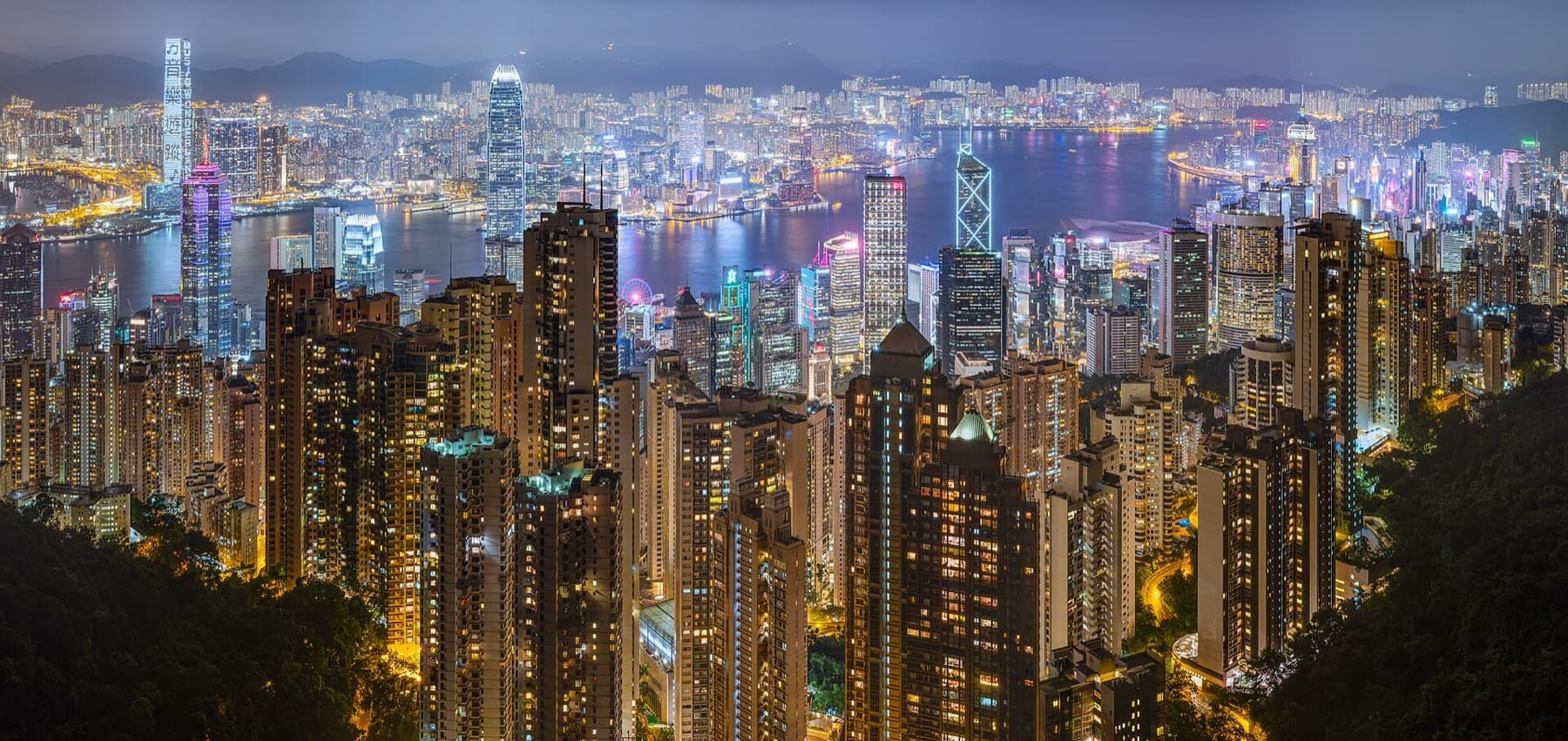
Opening thesis
Hong Kong is not a shopping layover with a harbor view. For Cantonese diaspora travelers especially, it is a vertical city where food seriousness, transit discipline, and family narrative collide, often in the same afternoon.
The harbor is real and worth one golden-hour crossing. It is not the trip. The trip is whether you learn how Hong Kong moves at cha chaan teng speed, dim sum sitting-down speed, and bakery-case speed, and whether you leave room for the city to complicate the story relatives told you.
This guide is for first visits that may carry heritage weight without requiring heritage performance. You do not owe Hong Kong revelation. You owe yourself honest pacing, one neighborhood repeated at different meal hours, and the humility to eat casual food without apologizing for skipping a view deck.
If you read one linked guide, pair this with our first heritage trip framework or Taipei soft landing for contrast on ease versus density. Hong Kong teaches vertical diaspora life. Taipei teaches humane first lessons. Both belong in the same long-term map.
First arrival week
Day one is cards, calories, and sleep: not culture. Buy or activate an Octopus Card at the airport or first major MTR stop. Connect data before you leave baggage claim if possible. Take the Airport Express or sensible rail connection into the city unless arrival hour and luggage make a booked car the kinder math.
Do not schedule a serious dinner on arrival night unless you are certain of jet lag and transit timing. Cha chaan teng or bakery-case food near the hotel is Hong Kong education without performance.
Build a five-day rhythm: three neighborhoods, two sitting-down meals you planned, one afternoon with no landmark target, one harbor crossing at an hour you will actually enjoy. Repeat what worked on day four before adding novelty.
Hong Kong punishes the first week that tries to collect districts like badges. It rewards the week that teaches you one MTR line deeply.
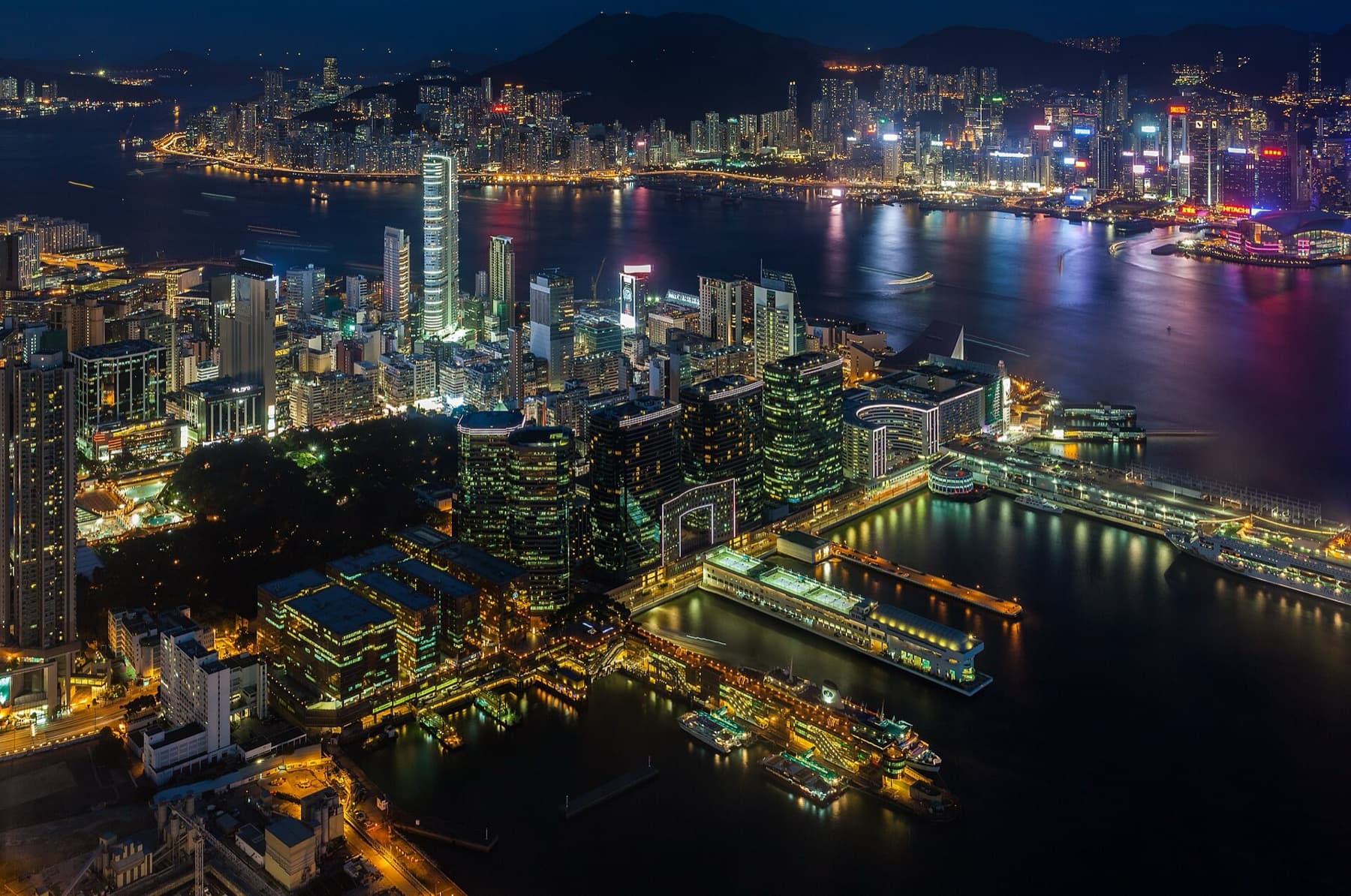
The city may feel like memory amplified. It is also a place that kept moving.
MTR and Octopus logic
The MTR is the real itinerary. Stay on a line you will use daily. Central, Tsim Sha Tsui, Wan Chai, Sheung Wan pockets all work for first timers if you pick one and stop hotel hopping.
Octopus covers most transit and many small purchases. Cash still appears in older shops. English works in core districts; it thins in local rooms worth finding. Google Maps helps for exits; it will not teach queue culture or shared-table manners.
Learn which stations connect without heroic walks in heat and humidity. Learn which exits dump you into mall air conditioning versus sun. Hong Kong's verticality means the wrong exit can cost twenty minutes and a mood.
For family travel, elevators and walking tolerance matter more than harbor views. Pick hotels for MTR proximity and bathroom dignity, not for lobby height.
Cha chaan teng education
Cha chaan teng. Hong Kong-style cafés, are where the city eats without ceremony. Milk tea, macaroni soup, toast, and lunch sets that rotate faster than your camera can justify.
Skipping them because they look casual is how travelers miss Hong Kong while photographing Hong Kong. Sit down. Order what the table next to you ordered if you are stuck. Pay and leave efficiently: the room turns tables because the city works that way.
These rooms teach Cantonese diaspora travelers a version of daily life that may feel adjacent to family memory and unrelated to export Cantonese food abroad. Notice both reactions without forcing one to win.
Breakfast in a cha chaan teng is not a placeholder for a real meal. It is the real meal that orients the day.
Dim sum without theater
Dim sum can be heritage theater if you treat it as proof for relatives watching from afar. It can also be lunch, carts or order cards, shared plates, tea refills, the ordinary excellence that Cantonese food culture built before Instagram existed.
Go with people you actually like sitting beside for ninety minutes. Go hungry, not performatively hungry. Order what you will eat, not what photographs well.
For first heritage trips, dim sum is often where family expectations peak. Build one meal for them if needed. Build the rest of the week for you, casual noodles, bakery cases, night markets if energy allows.
The goal is not to win dim sum. It is to learn whether sitting-down Hong Kong food feels like connection, curiosity, or obligation, and to respect whichever answer arrives.
Cantonese diaspora feelings
Many Cantonese diaspora travelers arrive fluent in food and semi-fluent in family narrative. Hong Kong may confirm nostalgia, contradict it, or do both before lunch.
You are not failing if the city feels familiar and foreign simultaneously. Hong Kong kept changing through handover, migration, and global money flows your relatives' stories may not include. Let the gap be information.
Heritage performance fails when every meal becomes proof of belonging. Hong Kong works when you allow ambivalence: the stall that tastes like memory and the café that tastes like nothing you expected can coexist in one day.
Protect private moments from content. Relatives' grief or pride does not need an audience. Your job is to be present, not to produce revelation for export.
Kowloon versus Hong Kong Island
Kowloon and Hong Kong Island read as two rhythms in one trip. Island-side skews finance, older British urban layers, and walkable food density in pockets. Kowloon skews residential scale, night market energy, and the harbor relationship from the other angle.
Pick a home base on the side that matches your stamina and meal map, then cross the harbor deliberately once or twice, not every day by accident.
Star Ferry at reasonable hour is worth it once. Repeated taxi hops because you chose the wrong side for dinner are not. Plan meals geographically like New York borough logic, compressed by water.
Second trips deepen one side. First trips should still choose, repeat, and cross with intention rather than guilt.
Closing takeaway
Leave with one bakery you trust, one cha chaan teng you would return to, and one neighborhood at night: not a shopping receipt that proves you visited.
Hong Kong beyond the harbor means the city that eats standing, sits for tea, queues without drama, and asks you to read context before you demand meaning. That skill transfers to Singapore, Taipei, and every other dense Asian city you touch next.
You do not complete Hong Kong in one week. You begin a relationship with a place that may feel like amplified memory and is still, stubbornly, itself.
Related destinations
Related stories
The First Heritage Trip Should Not Be a Performance
Heritage travel fails when it becomes a stage for emotion you have not earned yet.
3 min · May 15, 2026
A Diaspora Guide to Heritage Travel Without the Clichés
Heritage travel works when you stop demanding epiphany.
3 min · May 15, 2026
Taipei Is the Soft Landing More Asian Travelers Should Choose First
Why Taipei teaches you how to travel Asia before harder cities test you.
7 min · May 12, 2026
Your First Trip to Asia: A Culturally Fluent Starter Guide
How to pick your first Asian city, pace the week, and avoid turning the trip into heritage performance or continent tourism.
10 min · May 5, 2026