

Hong Kong
Harbor drama, dim sum, density
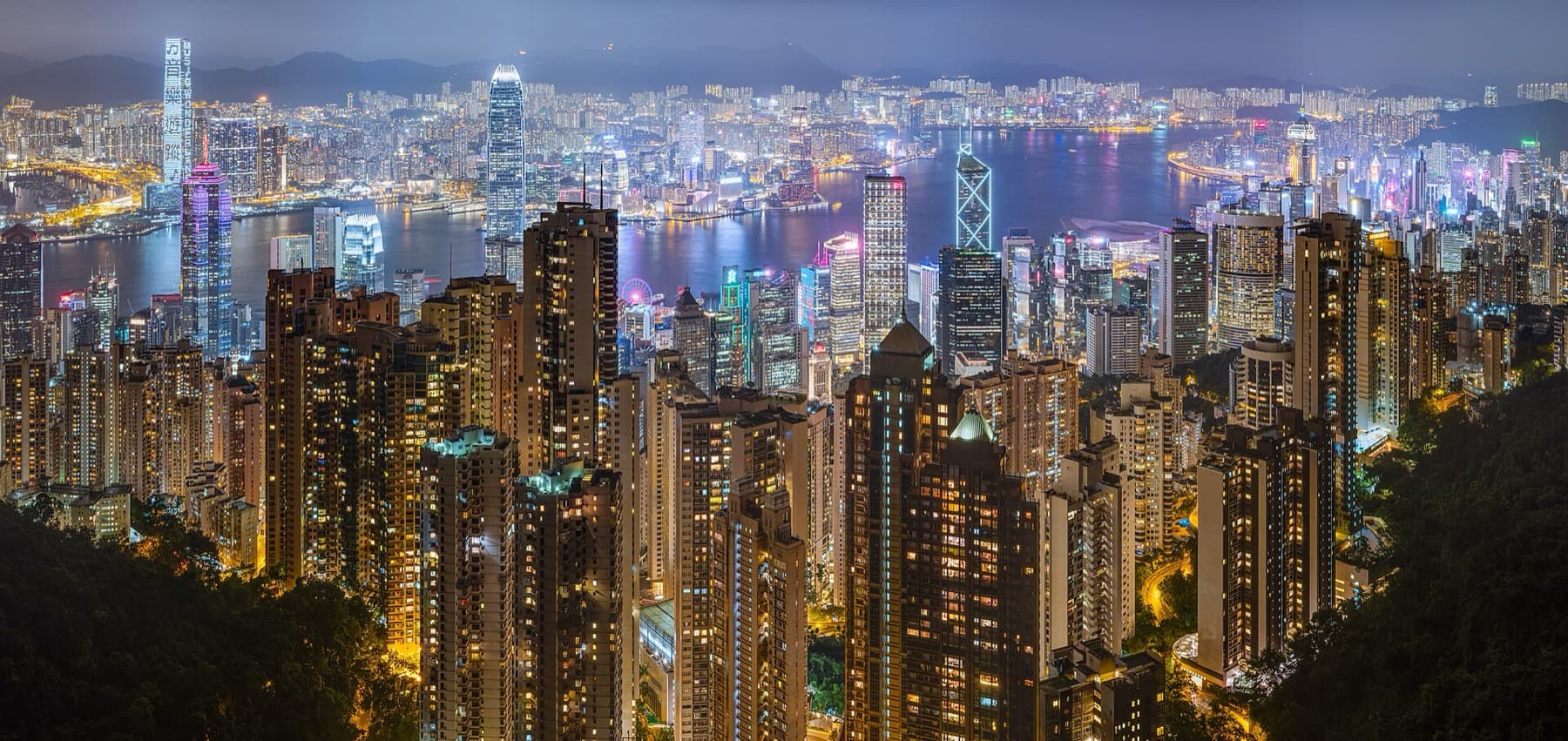
Hong Kong is vertical diaspora memory: the dim sum halls your grandparents described, amplified into a skyline that still feels cinematic at harbor level.
For Cantonese diaspora travelers, the city can feel like coming home to a version that never stood still. For everyone else, it is density, discipline, and food seriousness in a package that makes other Chinatowns feel like previews.
The better trip mixes one harbor ritual, one neighborhood you repeat, and enough unscheduled time for cha chaan teng logic to become habit.
Why go now
Hong Kong's dining scene is experiencing a renaissance, with young chefs honoring Cantonese traditions while pushing boundaries.
Who this trip is for
Urban travelers who love density, food, and vertical landscapes. Less ideal for those seeking quiet retreat.
First-timer move
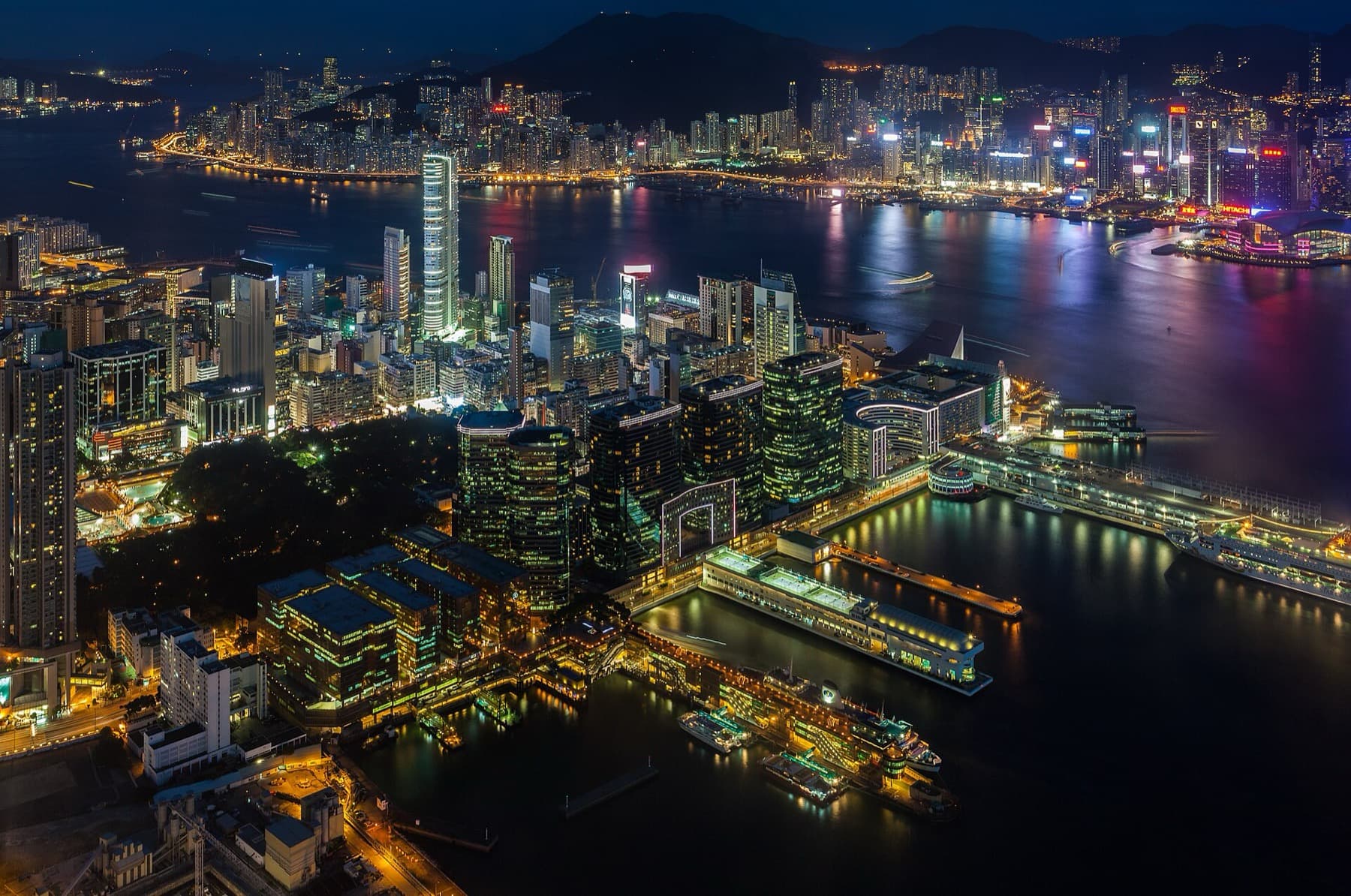
Ride the Star Ferry at golden hour, then dive into a dai pai dong for dinner. The contrast is the city.
Repeat visitor angle
Return for Kowloon depth, Sai Kung seafood, or a single district at a different meal hour. Skip re-doing the Peak unless someone new is with you.
Second trips are for dai pai dong nights, bakery cases you trust, and the MTR routes that stop feeling like puzzles.
Where to stay
Central or Tsim Sha Tsui for first-timer orientation and harbor access. Wan Chai or Sheung Wan for walkable food density.
Stay on an MTR line you will use daily. Hong Kong punishes hotel hopping.
What to eat
Dim sum for breakfast, cha chaan teng for lunch, roast goose or seafood for dinner. Don't skip egg tarts.
Cultural fluency notes
Octopus Card covers most transit. Cash still appears in older shops. Restaurant queues are structural, not optional.
Air conditioning is aggressive indoors; carry a layer. English works in core districts; it thins in local-only rooms worth finding.
What diaspora travelers may notice
Cantonese diaspora travelers often arrive fluent in food and semi-fluent in family narrative. Hong Kong may confirm, complicate, or gently contradict both.
You are not failing if the city feels familiar and foreign in the same afternoon.
Worth the splurge
Afternoon tea at a heritage hotel, or a harbor-view suite during Symphony of Lights.
What not to do
Do not treat Hong Kong as a shopping layover only. Do not skip cha chaan teng because it looks casual.
Do not attempt Shenzhen plus Hong Kong plus Macau in four days unless you enjoy suffering.
Best paired with
Pair with Taipei for ease contrast, Shanghai for mainland ambition, or Singapore for hawker-to-luxury comparison.
Best time to go
October–December for clear skies and comfortable humidity.
Airport notes
HKG is consistently rated among the world's best. Airport Express reaches Central in 24 minutes.
A 3-day editorial itinerary
Day 1
Star Ferry at golden hour, cha chaan teng lunch, neighborhood walk without a landmark target.
Day 2
Dim sum sitting down, Kowloon or Central food street at a different hour, night market if energy allows.
Day 3
Repeat best meal, bakery case breakfast, Airport Express with buffer.
What this place feels like
Related stories
Related destinations
Taipei
East Asia · Taiwan
Taipei travel guide for first-time Asia visitors and diaspora travelers: night markets, MRT, breakfast culture, and the softest landing in the region.
View guide →
Singapore
Southeast Asia · Singapore
Luxury, order, and tropical city energy in a place that makes complexity feel effortless.
View guide →
Shanghai
East Asia · China
Art deco glamour, Bund views, and a city that embodies China's cosmopolitan ambition.
View guide →