
Family Travel
How to Travel With Parents Who Remember a Different Country
Time capsules, errands, and the generational map gap.
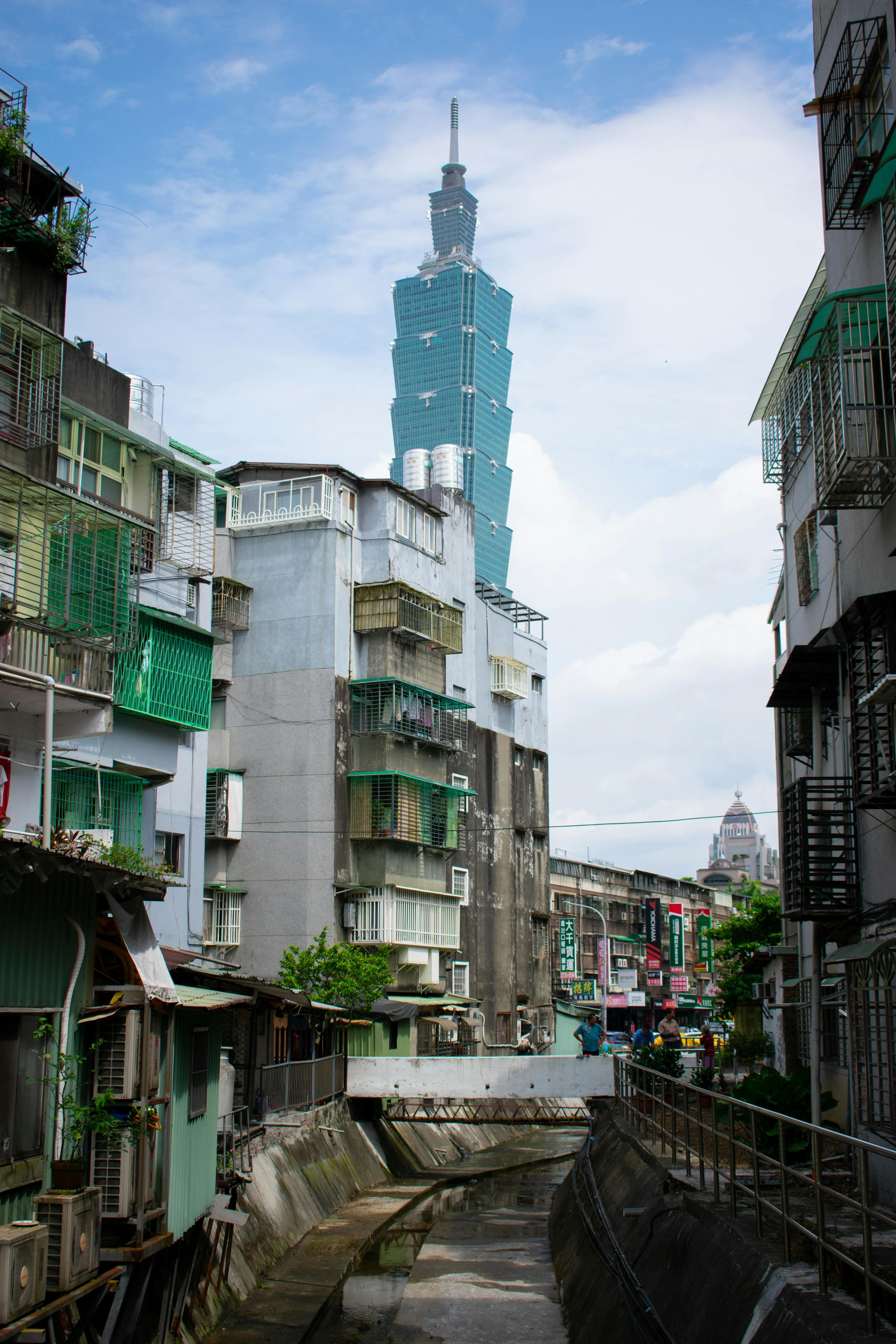
Two maps
Your map may run on noodles, walking, and one museum with good seating. Their map runs on cousins, pharmacies, brands that disappeared decades ago, and streets that exist only in memory even when the address still resolves on Google Maps.
Two maps must overlap on sleep quality and seating, not on every hour of the day. Their neighborhood versus your itinerary is the real conflict: not cuisine preferences or sightseeing taste you can negotiate over lunch.
Schedule one block each day where their map leads without your silent veto. You will learn more from that block than from three optimized highlights you dragged them through.
Errands as pilgrimage
Grocery runs to H Mart, pharmacy stops for familiar ointments, bank visits, and bulk snack purchases may be the point for parents: not detours from the real trip. Schedule them without resentment because they teach city reality faster than hop-on buses.
Aisle wandering in Queens, Surrey, or suburban Toronto reveals migration in product placement and brand loyalty that no guidebook narrates. Respect some errands fully; limit others with kindness, taxi budget, and honest time boxes.
An errand done well is pilgrimage when the goal is continuity, not consumption. Photograph the aisle if parents want to send proof home, but ask before you turn their nostalgia into your story content.

Nostalgia is a destination you cannot book.
Translation labor
If you speak more English or more of the local language than parents, you become default operator, appointments, menus, complaints, small talk with strangers, and the emotional work of smoothing every friction.
Rotate duties among siblings when possible. Translation fatigue is real; build silent afternoons where nobody needs your mouth, and where parents solve a small problem without you as intermediary.
Your fluency is labor, not personality trait. Charge it internally and rest it explicitly. Pre-write key phrases on a card parents can show clerks when you are not there, small autonomy gifts reduce your default-operator hours. Siblings who share language should share shifts without hero narratives.
Rest
Parents need seats more than sights. Hotel afternoon saves dinner. Chair seating at museums saves knees. Taxi saves arguments over three subway transfers with luggage and humidity.
Rest is itinerary, not weakness. Plan one slow day mid-trip with laundry, familiar breakfast, and optional pool time that keeps elders sane. You may want twelve thousand steps; they may want zero, and both needs are valid.
Parallel hours, elders nap while you walk, beat forced togetherness that breeds resentment by day four. Book restaurants with chairs, not only stools, and scout bathroom locations before museums so nobody skips water to avoid logistics. Taxi budget is cheaper than public apology after a meltdown at a metro gate.
Afterward
Debrief privately after the trip with siblings or partner: what worked, what to skip next time, who should not share a room again, which restaurant deserved repeat booking. Family trips improve when someone keeps notes without shaming.
Verdict language ruins learning. Thank parents for one specific kindness: a patience moment, a paid taxi, a joke that lowered tension, instead of scoring the whole week like a performance review.
The goal is a better second trip, not a courtroom. Write three bullets while memory is fresh: one keep, one cut, one surprise that worked. Future you will trust that note more than heroic recall.
Related destinations
Related stories
Planning Multigenerational Asia Trips That Actually Work
Everyone's comfort zone is a different country.
3 min · Apr 28, 2026
Your First Trip to Asia: A Culturally Fluent Starter Guide
How to pick your first Asian city, pace the week, and avoid turning the trip into heritage performance or continent tourism.
10 min · May 5, 2026
Taipei Is the Soft Landing More Asian Travelers Should Choose First
Why Taipei teaches you how to travel Asia before harder cities test you.
7 min · May 12, 2026
The First Heritage Trip Should Not Be a Performance
Heritage travel fails when it becomes a stage for emotion you have not earned yet.
3 min · May 15, 2026