
Hotels & Design
A Hotel Lobby Can Tell You Whether a City Understands Itself
Design, service, and the first five minutes of a trip.
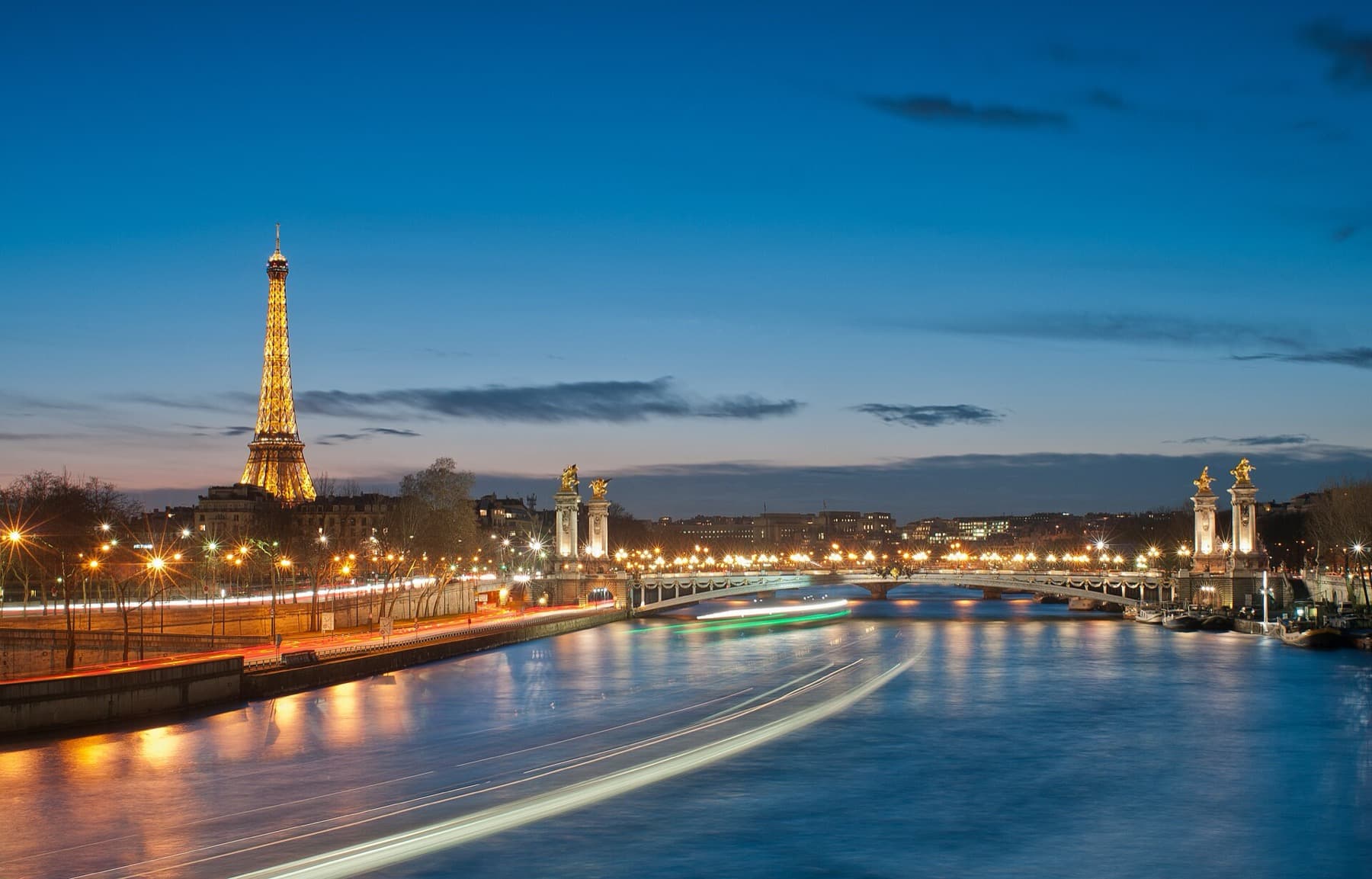
Tokyo lobbies
Tokyo hotel lobbies whisper competence: small footprints, staff who solve problems without speeches, luggage handled before you finish bowing.
Chandelier volume is not the flex. Predictable check-in, bathtub quality, and a concierge who reads your request once, these are the signals. Aman and Palace Hotel argue traditional craft; Park Hyatt argues vertical calm.
If the lobby is loud with influencer setups, you may be in the wrong building for a Tokyo trip.
Shoe-level details matter: tatami etiquette in ryokan lobbies, umbrella stands that actually drain, vending machines placed without visual chaos. Coin locker and parcel delivery service at check-in signal a city that understands how residents actually travel.
Paris lobbies
Paris lobbies trade on history as atmosphere: moldings, marble, and a belief that discretion is service.
Left Bank pensions whisper; Right Bank grandes dames perform old money without winking. The test is whether staff greet you in French first and switch languages only when needed.
A good Paris lobby makes you stand straighter without asking. A bad one treats you like a package delivery.
Cafe seating in the lobby is not free theater. Order something small if you plan to write for an hour. Elevator size tells you whether rolling luggage is assumed or merely tolerated. Paris punishes large bags silently.
A good lobby makes you stand straighter without asking.
Dubai lobbies
Dubai lobbies speak scale as hospitality language: height, scent, fountain noise, and staff ratios that feel theatrical but often deliver.
The argument is confidence, you are meant to feel the building before the room. Asian travelers used to quieter premium service may need one night to recalibrate expectations.
Look for seating that is not only selfie backdrop. Look for air conditioning that does not require a jacket in August.
Valet and bell desk choreography is part of the product. Let it work; fighting formality here wastes energy. Fragrance intensity is a design choice. If it triggers headaches, ask for a room far from the lobby atrium.
What diaspora travelers notice
Who gets eye contact, who gets efficiency, who gets both. Lobbies train staff in micro-hierarchies whether they admit it or not.
Travelers read differently by dress, accent, and accompaniment, family groups versus solo women versus business suits. A fluent lobby reads context and adjusts without condescension.
If you are offered water before you ask but your parent is ignored, that hotel failed.
Code-switching staff are a strength, not a novelty. They reduce translation labor for multigenerational groups. Security glance patterns at luxury hotels vary by guest profile. Notice it, then choose properties where staff greet everyone equally. Luggage assistance without being asked is a tell. So is being ignored while others are helped.
Booking takeaway
Lobby photos tell you more than room square footage. Scan for seating variety, natural light, staff density at check-in desks, and whether the bar is designed for guests or for scene.
Read recent reviews about smell, AC noise, and elevator wait times. A beautiful lobby with twelve-minute elevators fails the first night.
Book the city argument you want to live inside for five days, not only the bed.
Street entrance matters too: a gorgeous lobby above a steep stair entry is a parent-trip trap. Night lighting in lobby photos hints at whether arrival at 11 p.m. will feel safe or hollow.
Related destinations
Related stories
Where to Stay in Tokyo: A Neighborhood Hotel Guide
The room matters less than which train line you sleep on.
6 min · Jun 3, 2026
Tokyo Is Not a Beginner City, and That Is the Point
Tokyo punishes checklist tourism and rewards travelers who can tolerate not seeing everything.
8 min · Jun 1, 2026
Your First Trip to Asia: A Culturally Fluent Starter Guide
How to pick your first Asian city, pace the week, and avoid turning the trip into heritage performance or continent tourism.
10 min · May 5, 2026
Taipei Is the Soft Landing More Asian Travelers Should Choose First
Why Taipei teaches you how to travel Asia before harder cities test you.
7 min · May 12, 2026