
Food Travel
The Cities Where Fine Dining and Asian Food Culture Actually Meet
Tokyo, Paris, Singapore, Bangkok, Lima, LA, Vancouver, Hong Kong, Seoul.
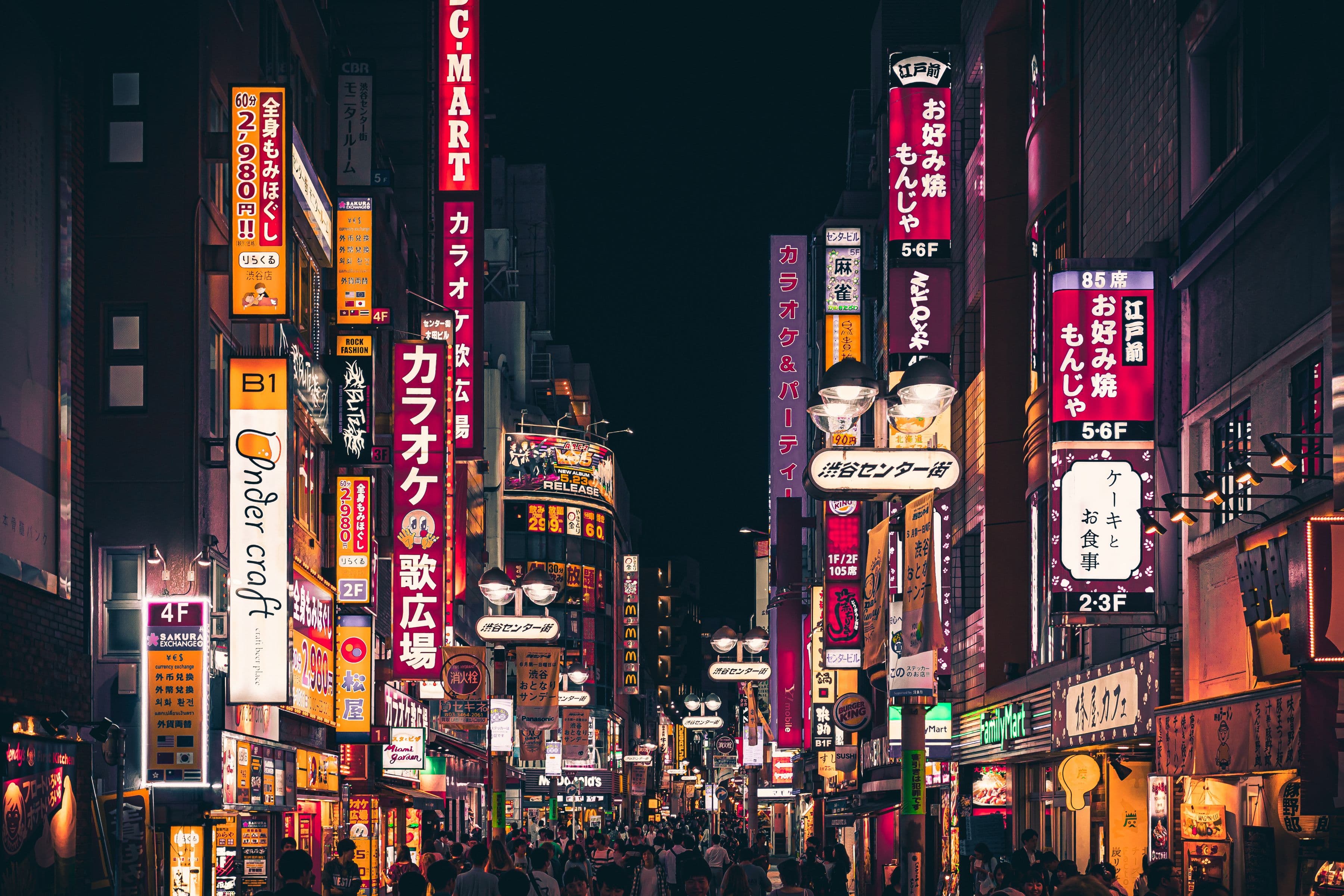
Tokyo and Seoul
Tokyo kaiseki and Seoul hanjeongsik teach structure, seasonality, and rice logic at the highest level without translating Asian identity for a Western audience. Counter seating in Ginza or Apgujeong removes the loneliness of formal dining alone and keeps service focused on the food instead of table performance.
Book through hotel concierge or trusted apps; cancellation rules are strict and no-shows carry real financial pain. Lunch sets often deliver the same kitchen at lower price, use them when dinner reservations are impossible.
Native precision needs no explanation. Integration here is default, not marketing angle. You are not being educated about your own continent; you are eating in a city that never forgot it.
Paris
Paris fine dining meets French technique at the table; Asian Paris neighborhoods in the 13th arrondissement and Belleville meet comfort afterward when you want noodles without dress code. Same week, different registers, lunch at a ceviche bar run by diaspora chefs, dinner at a classic white-tablecloth room.
Pack accordingly: one outfit for the room you booked, one for the walk home past late-night bakeries. Diaspora chefs in Paris often have something to prove; order the tasting menu and the family-recipe special if offered without treating either as lesser.
Technique and memory coexist here without costume. Stay near Nation if you want late pho after the white-tablecloth room, geography is part of the pairing, not an afterthought.
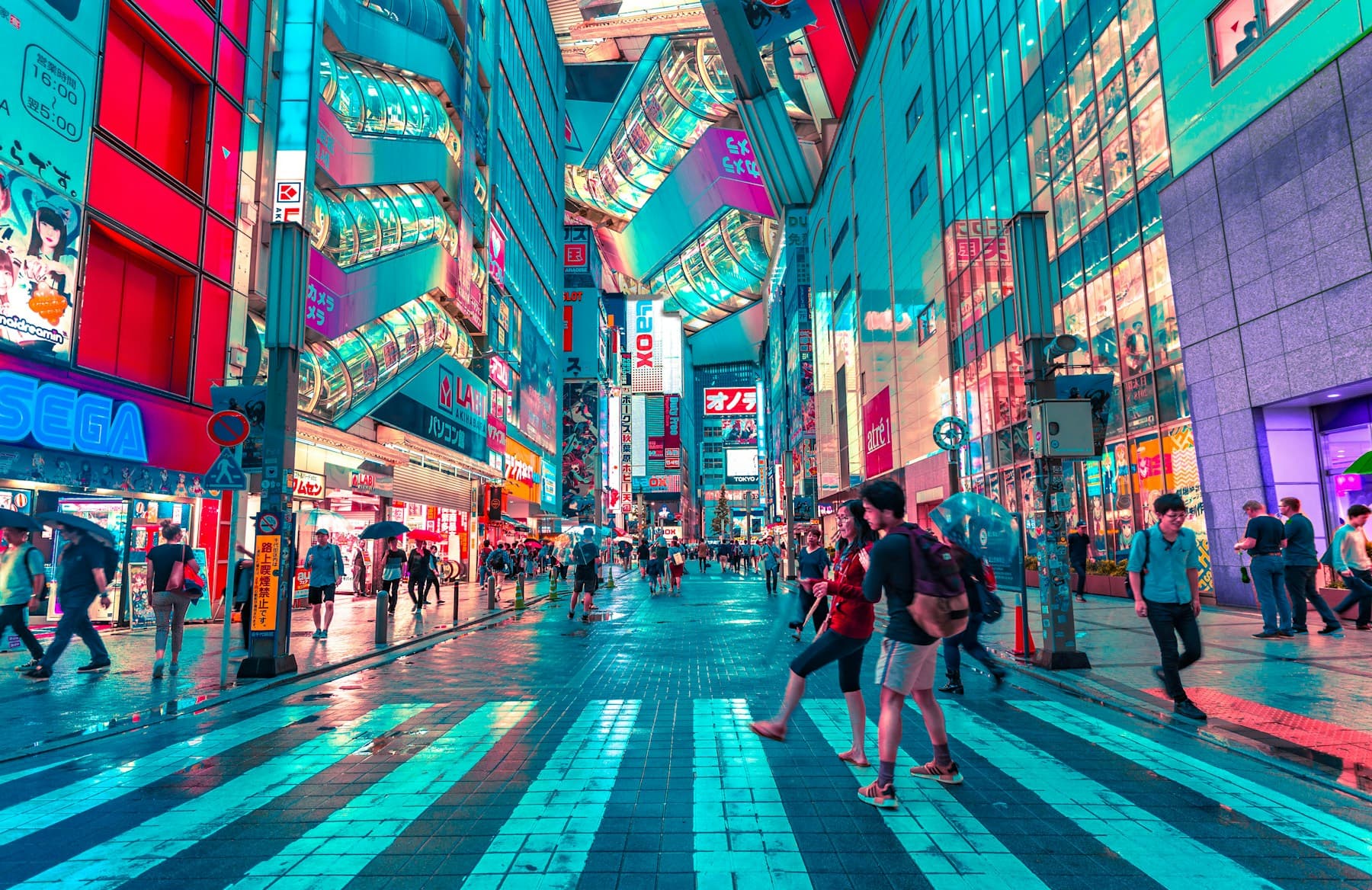
Integration beats quotation.
Singapore and Bangkok
Singapore hawker greatness and fine dining in one week is the city's actual argument: not a contradiction to resolve with hotel-only eating. Maxwell Food Centre, Lau Pa Sat, and hawker centers teach palates that rooftop bars cannot replicate at any price.
Bangkok street heat plus serious chef counters in Thonglor and Ari create contrast as itinerary. Do not eat only at hotel towers because the pool view is easy. Street food literacy here informs haute cuisine without quotation marks.
Book one formal dinner; eat standing or on plastic stools the other nights. Both registers make you a better reader of the city.
Lima
Nikkei and ceviche at lunch; tasting menus at night in Miraflores. Lima proves fusion can be history. Japanese migration, Peruvian produce, Pacific cold chain: not trend cycle invented for export.
Maido and Central earn reputations because the city eats seriously at every price point. Arrive hungry for both registers instead of choosing one as authentic and one as performance.
Book lunch ceviche early; acid and heat reward morning stomachs. Dinner is for pacing, wine, and the kind of conversation that needs chairs. Barranco walks between registers help digestion and keep Lima from feeling like only a reservation list. Surquillo market mornings add produce context before Nikkei nights.
LA and Vancouver
Los Angeles and Vancouver pair diaspora depth with chef-driven rooms in the same metro breath. Drive LA. San Gabriel Valley dumplings, Koreatown barbecue, then a tasting menu in the Arts District. Ride Canada Line to Richmond in Vancouver, return downtown for fine dining without pretending suburbs are optional.
North America's best argument for eating horizontally and vertically in one trip lives here. Competition between immigrant kitchens and celebrity chefs raises everyone's standard, and travelers benefit if they stop treating strip malls as shame.
Two cities, one thesis: density creates excellence when nobody needs to explain why Asian food intelligence matters. Budget one day in each metro for strip-mall depth before you book the chef's counter tasting.
Related destinations
Related stories
Your First Trip to Asia: A Culturally Fluent Starter Guide
How to pick your first Asian city, pace the week, and avoid turning the trip into heritage performance or continent tourism.
10 min · May 5, 2026
Tokyo Is Not a Beginner City, and That Is the Point
Tokyo punishes checklist tourism and rewards travelers who can tolerate not seeing everything.
8 min · Jun 1, 2026
Taipei Is the Soft Landing More Asian Travelers Should Choose First
Why Taipei teaches you how to travel Asia before harder cities test you.
7 min · May 12, 2026
Singapore Is Not Sterile If You Know Where to Look
The city-state is curated, yes. It is also one of the world's most serious eating capitals.
3 min · May 8, 2026