
Long Weekends
London Is the Easiest European City for Asian Diaspora Travelers to Understand
Transit, diaspora food, museums, and the relief of not being the only outsider.
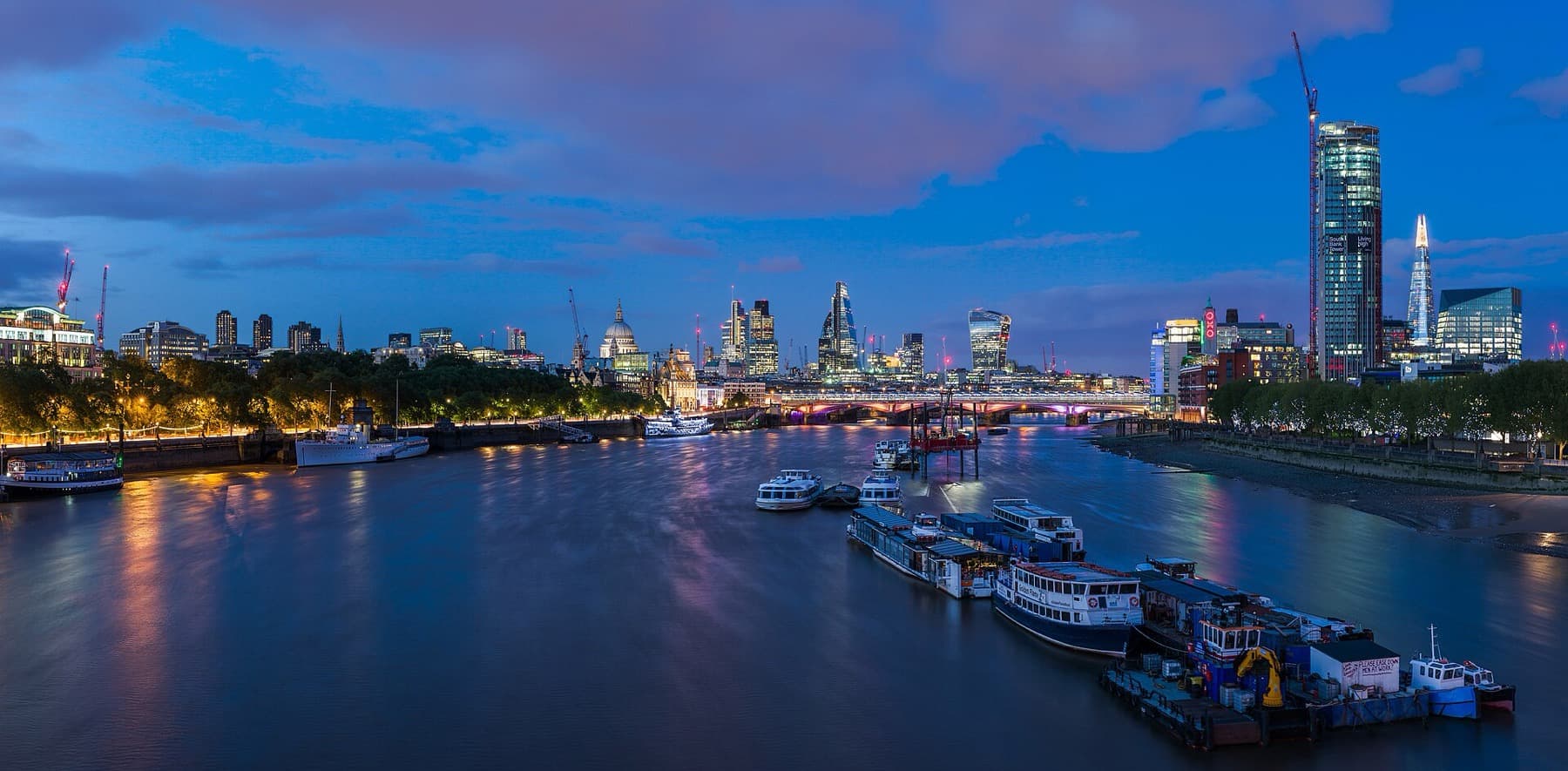
Opening thesis
London is often the easiest European city for Asian diaspora travelers to understand: not because it is the most romantic or exotic capital on the continent, but because it is legible quickly. English signage, the Tube, global food density, and a century of immigration layered into daily life reduce the cognitive tax that makes first trips to Europe feel like exams.
London is where Europe stops feeling like a test for many travelers who arrive from North America, East and Southeast Asia, or diaspora hubs elsewhere. You can buy paracetamol at Boots without mime, follow bus routes on your phone, and eat seriously without treating every meal as a language puzzle.
Easier does not mean simple. London is expensive, crowded, rainy, and capable of ruining an outdoor plan in an hour. It simply removes one layer of friction: you are not decoding everything at once. London's comfort is logistical before it is emotional, and for trip one, logistics are underrated.
Why London is easy without being simple
Heathrow and Gatwick are large, but the Piccadilly Line, Elizabeth Line, and Heathrow Express give you honest paths into the city if you plan one transfer instead of improvising three. Buy an Oyster card or use contactless payment on day one. The Tube map looks intimidating until you realize most weeks live on two lines.
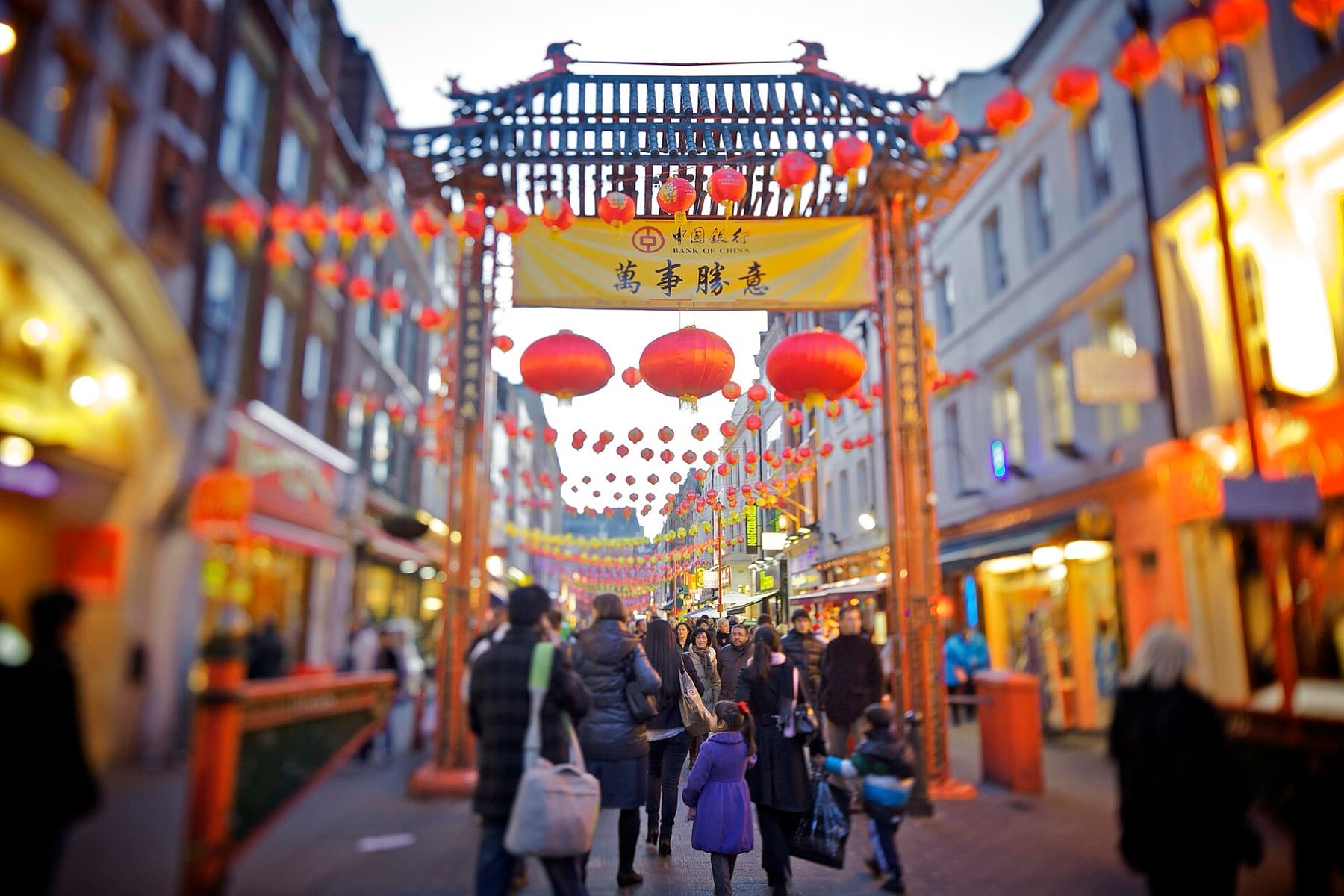
Language helps, but so does diaspora density. You will hear Punjabi, Cantonese, Korean, and Malay in the same afternoon if you eat horizontally. You are not the only outsider in the room: a relief after cities that treat difference as spectacle.
British service can read as brusque until you understand queue logic and indirect apology. Staff may not smile on schedule. That is often efficiency, not disrespect. Asian travelers often read those codes faster than first-time Americans because many grew up navigating directness across cultures at home.
London's comfort is logistical before it is emotional.
Food as infrastructure
Southall for Punjabi and broader South Asian depth. Chinatown for Cantonese and regional Chinese. Soho for Japanese and Korean late meals if you are staying central. New Malden for Korean corridors serious eaters already bookmark. Brixton and Spitalfields for younger dining energy and market lunches. Marylebone and Mayfair for polished casual when someone in the group wants quieter rooms.
London's diaspora food map is not a side quest from Westminster: it is the city. Book one meal in Zone 2 or 3 that requires a Tube ride on purpose. Haymarket Chinatown is valid for a first night; it is not the whole argument. Match cuisine to craving, not to coverage: one South Asian lunch, one Chinese dinner, one British pub meal you actually want, one bakery run you repeat because the croissant worked.
Department stores and grocery chains feel familiar in ways Paris and Rome do not. That familiarity matters when you are jet-lagged and need tea, fruit, or snacks elders recognize.
Museums without panic
London is too large for redemption tourism. Pick one institution with a thesis, not three with guilt.
The British Museum if you want scale and can tolerate crowds. The V&A if design, textiles, and slow looking matter more than antiquities. Tate Modern if contemporary art and Thames views suit your mood. Each deserves a morning or an afternoon: not a tired hour between meals. Leave before you hate art.
Walking between sights is not filler. It is how London teaches you scale: the Thames, the bridges, the way Shoreditch becomes the City becomes Southbank. Schedule Borough Market lunch after a museum if you need sitting and calories. Rain is structural. Have an indoor backup that is not shopping: a smaller gallery, a long lunch, a cinema if everyone is done.
Where to stay depending on trip type
Food-first trips: stay near a Tube line that reaches Southall, Chinatown, or New Malden without heroic transfers. Central, Northern, or Piccadilly depending on your map. Museum-and-walk trips: Marylebone, Bloomsbury, or Southbank pockets reduce cross-city heroics. Family trips: elevators, two rooms or a suite, proximity to groceries and pharmacies beat skyline views.
Mayfair and Marylebone work for travelers who want quiet luxury and walking access to polished casual meals. Shoreditch and Spitalfields suit younger energy and market mornings. Avoid booking purely for Instagram landmarks unless you enjoy paying for crowds you will only enter once.
Neighborhood beats star rating. A boring room on the right block outperforms a beautiful room that makes every dinner a commute.
Why it works for family trips
Multigenerational London trips work because familiarity reduces friction: English signage, diaspora groceries, food elders recognize, and transit that beats driving if you plan stairs honestly.
Elders may prefer Borough Market or Regent's Park to marble halls. Kids may remember a playground near Hyde Park more than a crown jewel. Split the day: one person chooses museum, one chooses market, everyone meets for dinner sitting down.
Two rooms beat one when privacy keeps peace. Laundry and kettle requests are care, not fuss. Assign one planner an afternoon off, emotional labor is invisible until it explodes at dinner.
What London does not solve
London will not be cheap. It will not be warm. It will not give you empty cobblestone romance on demand. It will not replace Paris for taste theater or Lisbon for light.
It will not automatically feel like home. British class history still shapes rooms, and visibility varies by borough and context. Ease is logistical, not emotional. You may still feel like a tourist. You may still misread a waiter. You may still leave wishing you had one more borough.
London is infrastructure for Europe trips as often as it is the emotional peak, and that is a valid way to use it.
A good three-day first plan
Day one: Heathrow or Gatwick in, Oyster or contactless set up, hotel drop, Southall or Chinatown lunch, short walk, early sleep. Day two: one museum with a time limit, Borough Market or Spitalfields lunch, Soho or New Malden dinner. Day three: repeat the neighborhood that worked, same bakery, different hour, pub lunch if you want it, pack for onward travel.
Do not attempt every diaspora corridor in seventy-two hours. Do not confuse the Tower with understanding London. Eat horizontally, ride the Tube without heroics, and leave with one restaurant you would send a friend to without caveats.
Closing takeaway
London rewards travelers who stop trying to win Europe in one week. It is a city you learn by repetition: the market hour that works, the Tube stop that saves twenty minutes, the diaspora meal that recalibrates what density tastes like.
Return when you have a specific neighborhood to deepen: not when you feel obligated to redo the Tower. Second trips are for the restaurant that closed on your first visit, the cousin who finally has time for lunch, the museum you skipped without guilt.
London's comfort is logistical before it is emotional. For many Asian diaspora travelers, that is exactly why trip one belongs here.
Related destinations
Related stories
Solo Travel Without Turning It Into a Personality
Solo travel is a logistics choice, not a identity audition.
3 min · Mar 15, 2026
London Diaspora Weekends: Southall, Chinatown, and the City Beyond the Thames
London's diaspora map is borough-scale. A good weekend picks two corridors and repeats them.
6 min · Jun 1, 2026
Why the Best Trips Sometimes Have Nothing to Do With Identity
Sometimes you just want good light and a quiet hotel.
3 min · Sep 15, 2025
Copenhagen, Stockholm, and the Asian Traveler's Relationship to Clean Design
Scandinavia sells a mood more than a checklist.
3 min · Sep 10, 2025