
Airports & Airlines
A Culturally Fluent Guide to the World's Best Airports
Transit hubs ranked by usefulness, not just aesthetics.
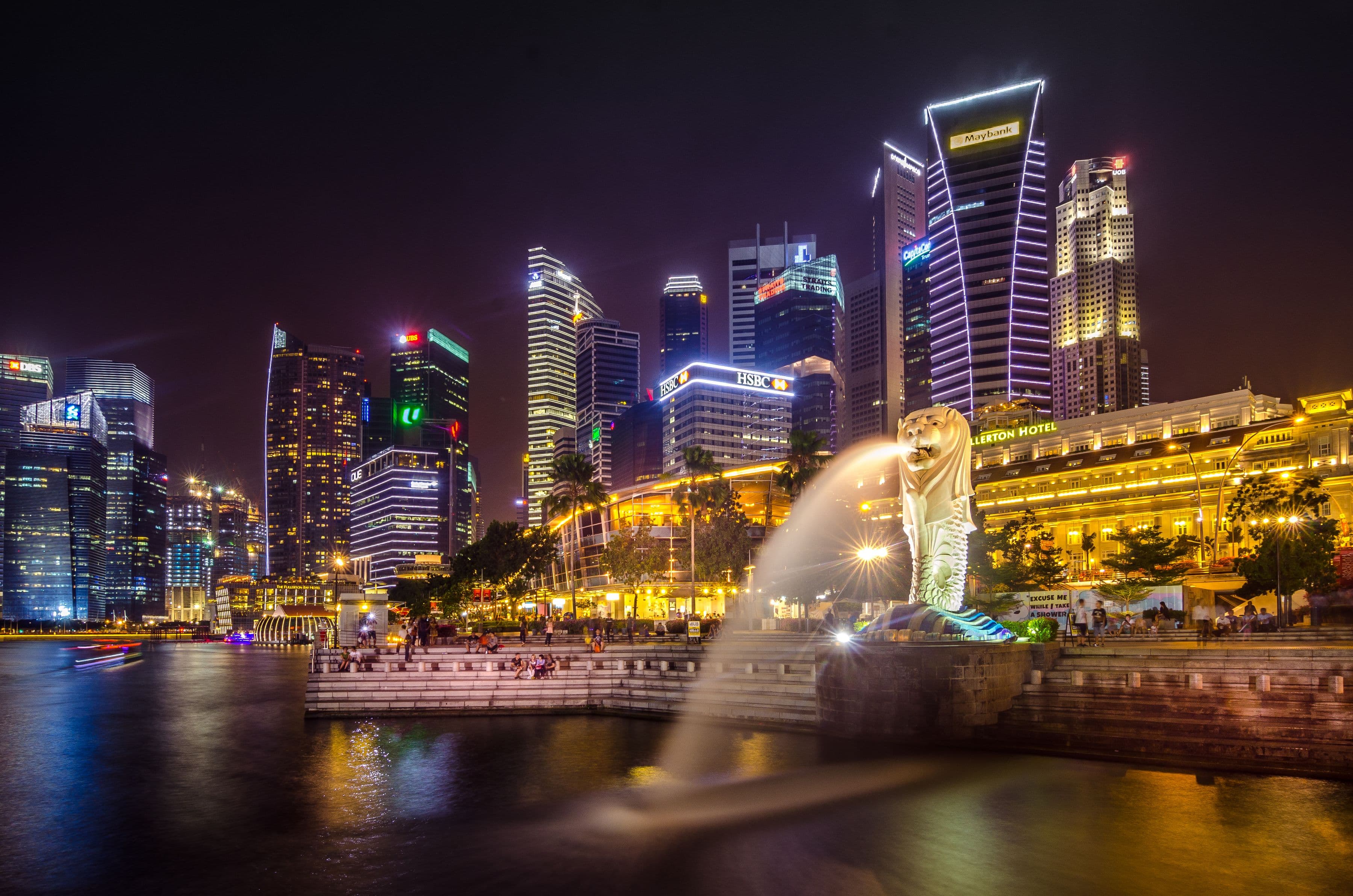
Singapore Changi
Changi still sets the benchmark: hawker-quality food in terminals, Jewel as absurd garden relief, showers that do not require elite status mythology, and signage that respects connection stress.
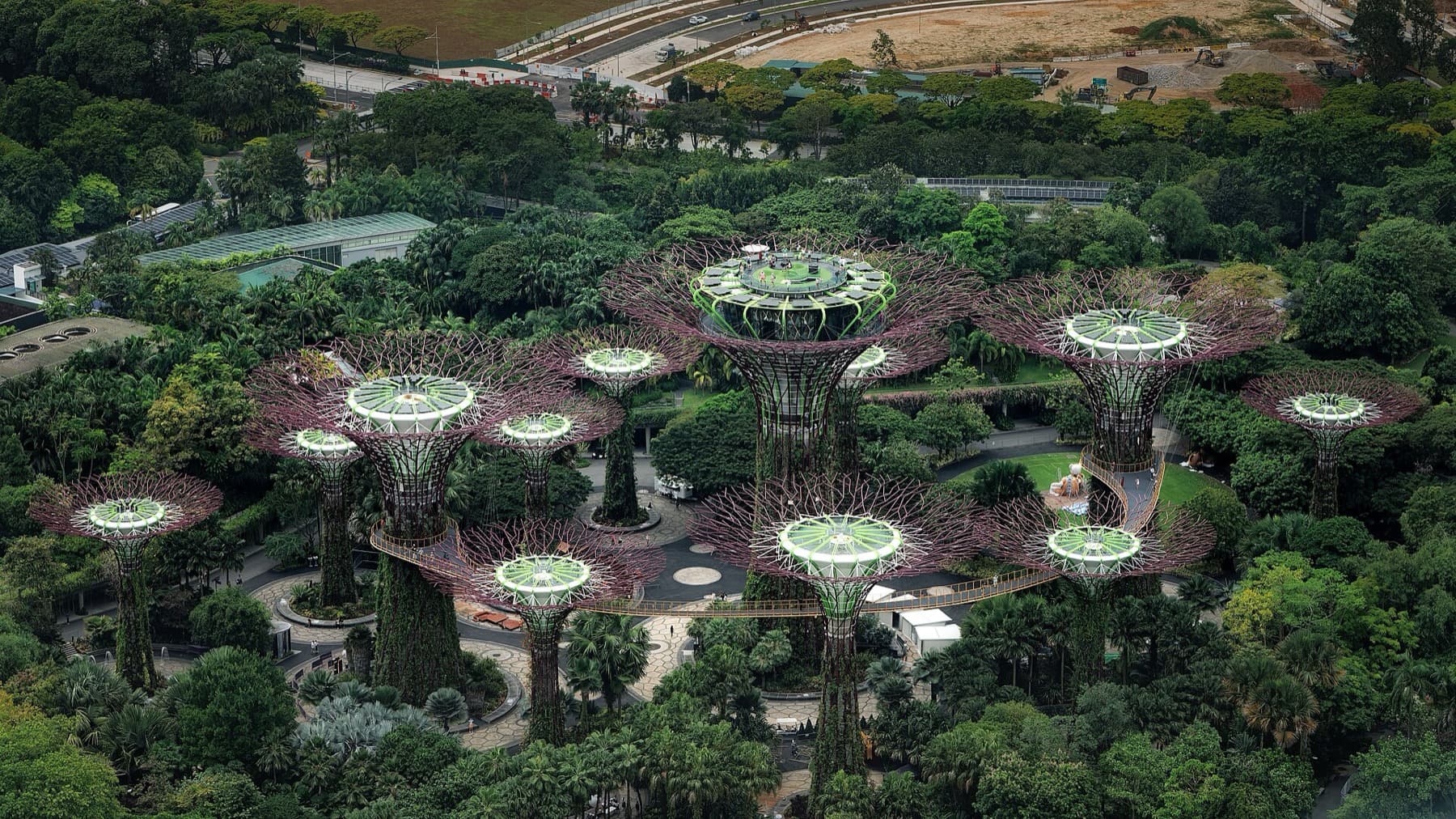
Terminal hop on the Skytrain if your gate changes. Eat at a stall with a line, not at a sad chain you regret. Budget ninety minutes for Jewel if you have them, you can shower, eat, and walk without leaving security logic.
Asian travelers treat Changi as proof that airports can be civic infrastructure, not punishment.
But Changi is huge. Arrive at your gate early anyway. Efficiency is not the same as short walking distance.
Incheon
Incheon turns layovers into spa culture: jjimjilbang hours, nap pods, cultural performances that are optional not mandatory, and transit tours if immigration time allows.
Korean food in the terminal beats most countries' downtown averages. Learn which concourse has the better bibimbap before you commit to a gate far from it.
Long-haul families use Incheon to reset children and grandparents before the next brutal leg.
Transit hotels inside the airport save visa stress on tight connections. Book before you land if your layover exceeds eight hours. Currency exchange inside security is fine for small amounts. Do not miss your gate hunting better rates.
An airport is a city preview with security.
Doha Hamad
Hamad manages heat indoors: art installations, quiet lounges, Al Mourjan for longer connections, and walking distances that still require tram discipline.
Duty-free is vast. Do not let shopping eat immigration buffer. The museum stopover only works if you land with hours to spare and clear customs fast.
Gulf carrier luxury starts here before you board: the airport is part of the product.
Free city tours exist for long layovers. Read eligibility rules carefully; visa nationality lists change. Al Safwa lounge for Qatar business is a destination itself. Budget time if your ticket includes it. Orchard and indoor green spaces help kids burn energy without leaving security.
Tokyo Haneda
Haneda beats Narita for Tokyo proximity. Late-night ramen in the city becomes possible on some layovers if domestic connection timing cooperates.
Terminal food includes solid sushi counters and ekiben logic. English signage is good; speed walking is still required when gates change.
For Asia-Europe routes, Haneda is the argument that airport choice should be itinerary, not afterthought.
International-to-domestic transfers need buffer time. Japanese precision does not eliminate security lines. Buy omiyage after security if you forgot Tokyo errands, budget tram time when terminals change, and consider a monorail hop into Ota Ward for late ramen when layovers exceed six hours.
What Asian travelers prioritize
Showers, noodles, clear signage, respectful security staff, and seating that does not require elite status gymnastics.
Strollers, prayer rooms, hot water for tea, and gates that are not a twenty-minute sprint apart matter as much as aesthetics.
The best airports respect time and dignity. Everything else is wallpaper.
Power outlets at seats: not only in lounges, matter on delayed connections. Clear gate-change announcements in multiple languages reduce panic. Family travelers also watch for nursing rooms, stroller gates, kid-height food counters, short walks between gates, hot water for instant noodles, calm staff when kids melt down, seats near restrooms, and clear prayer room signage.
Related destinations
Related stories
Emirates, Qatar, Singapore, ANA, Cathay: The Soft Power of an Airline
Airlines teach you what a country wants you to think before you land.
3 min · Jan 22, 2026
Why Asian Travelers Care So Much About Airports
Airports are not transit. They are part of home geography.
3 min · Jun 30, 2025
Your First Trip to Asia: A Culturally Fluent Starter Guide
How to pick your first Asian city, pace the week, and avoid turning the trip into heritage performance or continent tourism.
10 min · May 5, 2026
Singapore Is Not Sterile If You Know Where to Look
The city-state is curated, yes. It is also one of the world's most serious eating capitals.
3 min · May 8, 2026